
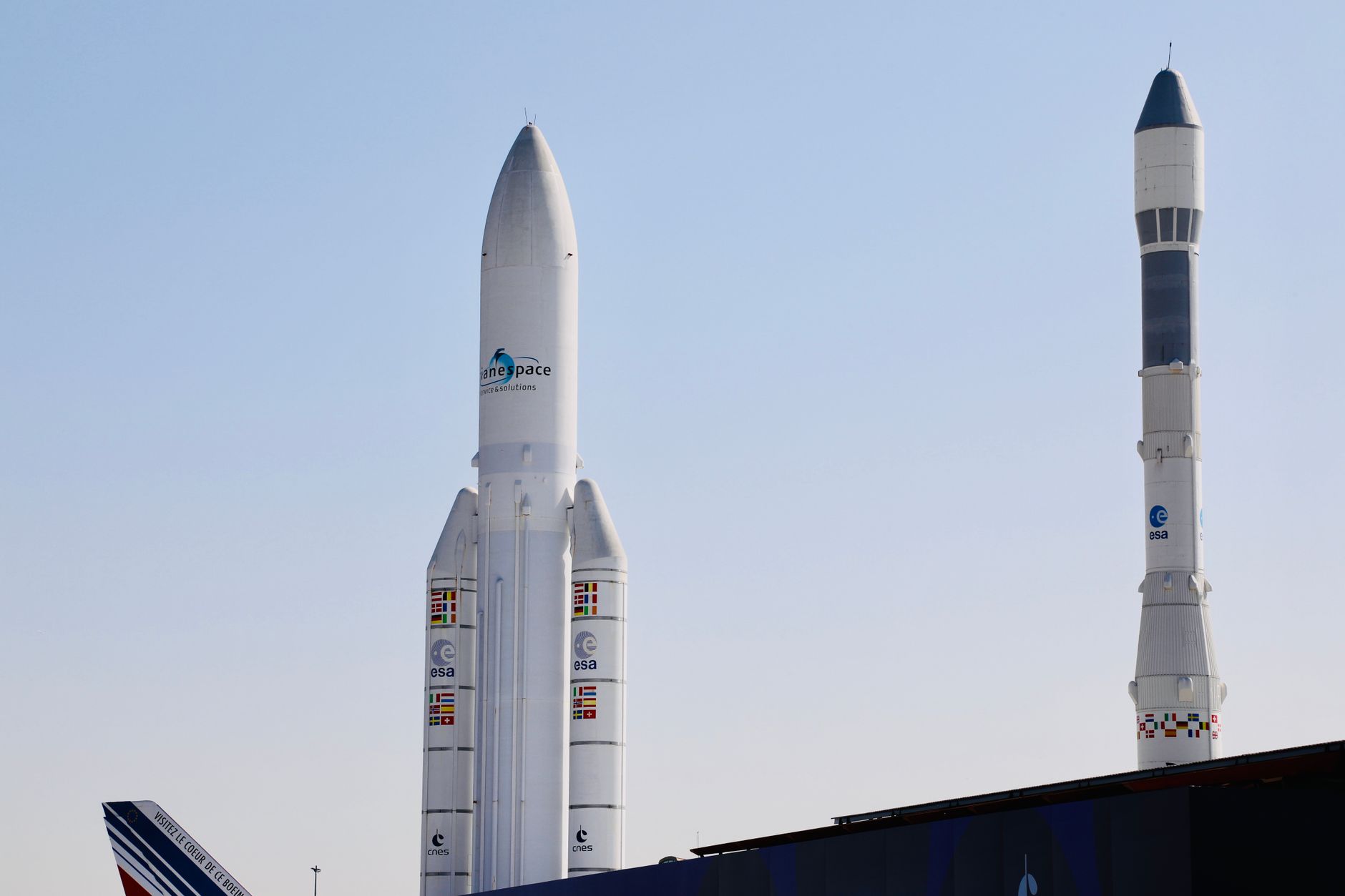
Nuri satellite launch failure has raised concerns after one satellite failed to deploy during its fifth launch. The cause remains unknown, prompting further investigation.
Overview of Nuri’s Fifth Launch
The fifth launch of the Nuri satellite faced a significant setback as one of its key satellites failed to deploy. This incident highlights the challenges associated with the Nuri satellite launch failure, which has drawn attention from experts and space enthusiasts alike.
During the launch, a power cut occurred, leading to the failure of the satellite deployment. The cause of this power interruption remains unknown, raising concerns about the reliability of the launch system. The mission, which aimed to showcase advancements in satellite technology, instead ended in disappointment.
Key details surrounding this event include:
- Launch date: Recent
- Number of satellites intended for deployment: Multiple
- Outcome: One satellite failed to deploy successfully
This failure marks a critical moment for the Nuri program, as stakeholders seek answers and solutions moving forward.
What Went Wrong During Deployment
The recent Nuri satellite launch failure has raised significant concerns among experts and enthusiasts alike. During the mission, one of the satellites failed to deploy, which has been attributed to an unexpected power cut. The exact cause of this disruption remains unknown, leaving engineers and scientists puzzled.
Several factors may have contributed to this issue, including:
- Technical Malfunctions: Possible glitches in the deployment mechanism could have hindered the satellite’s release.
- Communication Errors: A failure in transmitting commands may have prevented the satellite from executing its deployment sequence.
- Environmental Conditions: Unforeseen atmospheric factors could have impacted the launch trajectory.
As investigations continue, the implications of the Nuri satellite launch failure emphasize the challenges of space exploration.
Impact of Satellite Failure on Future Missions
The failure of the Nuri satellite launch has raised significant concerns about the future of similar missions. Experts suggest that this incident may lead to a reevaluation of the launch protocols and technology used in subsequent deployments.
In light of the Nuri satellite launch failure, stakeholders are questioning the reliability of the existing systems. Key impacts include:
- Increased scrutiny of launch vehicle designs and their components.
- Potential delays in upcoming satellite missions as engineers analyze the failure.
- Heightened regulatory oversight to ensure safety and reliability in future launches.
As the industry grapples with these challenges, collaboration between agencies and private companies will be crucial to restore confidence in space exploration.
Expert Opinions on Nuri’s Performance
Experts have expressed their concerns regarding the Nuri satellite launch failure, emphasizing the critical need for thorough investigation into the causes behind the mishap. According to Dr. Emily Chen, an aerospace engineer, “The inability to deploy one of the satellites raises significant questions about the reliability of the launch systems.”
Additionally, Dr. Marcus Lee, a space policy analyst, highlighted the implications for future missions: “This incident not only affects the immediate project but could also deter potential partners and investors.”
Many in the industry are calling for a detailed report on the launch sequence and power management systems. As Dr. Chen noted, “Understanding what went wrong is essential to avoid similar outcomes in future deployments.”
Overall, the Nuri satellite launch failure serves as a stark reminder of the complexities involved in space missions.
Comparative Analysis with Other Satellite Launches
The recent Nuri satellite launch failure has drawn comparisons to other notable satellite deployment issues. Historically, satellite launches have faced challenges, yet the outcomes have varied significantly.
For instance, the 2019 failure of the Indian PSLV resulted from a technical glitch but was quickly rectified in subsequent missions, showcasing resilience in their approach. In contrast, the Nuri satellite deployment, which suffered from a power cut leading to its failure, highlights the unpredictable nature of launch technologies.
Moreover, the European Ariane 5 experienced a launch failure in 1996 due to software errors, but improvements led to a successful recovery in later missions. This comparative analysis underscores that while failures like the Nuri satellite launch failure are concerning, they often serve as pivotal learning moments for future advancements in satellite technology.
Next Steps for Nuri and Its Team
In the wake of the Nuri satellite launch failure, the development team is focusing on a series of critical next steps to address the issues encountered during the mission. Their immediate priority is to conduct a thorough investigation into the power cut that led to the satellite’s failure to deploy. This examination will involve analyzing telemetry data, reviewing engineering designs, and consulting with industry experts.
Furthermore, the team is committed to enhancing their testing protocols to ensure that similar failures do not occur in future missions. They also plan to engage with international partners to share insights and gather feedback.
As they work to rectify the challenges faced during this launch, the Nuri team remains resilient, aiming to restore confidence in their capabilities and improve the reliability of future satellite deployments.
Public Reaction to the Launch Failure
The recent Nuri satellite launch failure has sparked a wave of public reaction, with many expressing disappointment and frustration. Social media platforms have been flooded with comments from citizens and industry experts alike, sharing their thoughts on the unforeseen outcome of the mission.
Some key points from the public discourse include:
- Disappointment in national pride: Many viewed the launch as a significant milestone for the country, making the failure particularly hard to accept.
- Calls for accountability: Public demand for transparency regarding the cause of the deployment issues has intensified.
- Concerns for future missions: Observers fear that this failure may hinder support for upcoming space initiatives.
As the investigation into the power cut continues, the public remains hopeful for a swift resolution and future success.
Understanding Satellite Deployment Mechanics
Understanding the intricacies of satellite deployment mechanics is crucial in the context of the recent Nuri satellite launch failure. The deployment process involves several key phases, each requiring precision and coordination.
Initially, the satellite is housed within the launch vehicle and is subjected to rigorous testing to ensure functionality. Once in orbit, the deployment sequence is triggered, allowing the satellite to unfold and activate its systems. However, any disruption, such as a power cut, can lead to catastrophic results.
In Nuri’s case, the failure to deploy one of the satellites highlights vulnerabilities in the deployment phase. Monitoring systems must accurately assess the satellite’s readiness, while ground control plays a pivotal role in managing the sequence. Future missions will need to address these weaknesses to prevent a recurrence of the Nuri satellite launch failure.
Photo by Léa Claisse on Pexels