
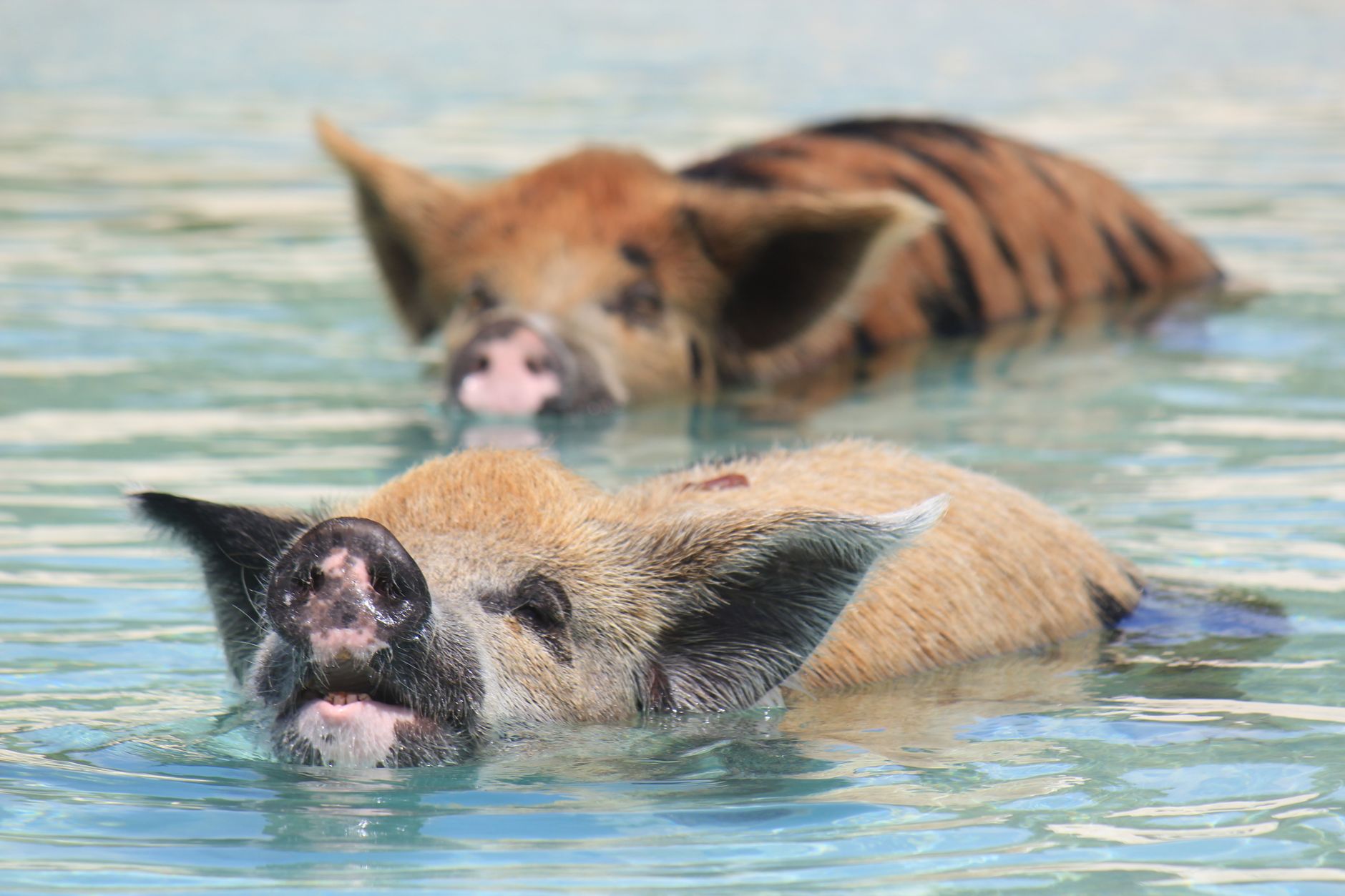
The strange discovery sea pigs has captivated scientists and enthusiasts alike. Recent findings have unveiled unexpected features beneath the skin of these unique marine creatures.
What are sea pigs?
Sea pigs are fascinating deep-sea creatures belonging to the group of marine animals known as echinoderms. These unique organisms are not true pigs but are a type of sea cucumber, which is often found on the ocean floor at great depths. They have a distinct appearance, characterized by their elongated body shape and numerous tube-like feet, which they use for locomotion across the seabed.
One of the most intriguing aspects of sea pigs is their ability to adapt to extreme environments. Found in the dark depths of the ocean, they can thrive in conditions that would be inhospitable to many other species. Sea pigs primarily feed on organic matter that settles on the ocean floor, making them essential players in the marine ecosystem.
Recently, scientists made a strange discovery related to sea pigs. Studies revealed that beneath their skin lies a unique layer of cells that plays a crucial role in their survival. This finding raises questions about the evolutionary adaptations of these creatures and their ecological significance.
Researchers continue to explore the mysteries surrounding sea pigs, examining their physiology and behavior. As they delve deeper into the ocean’s depths, more surprises may await, providing further insights into the life of these enigmatic animals.
In conclusion, sea pigs are more than just peculiar-looking creatures; they hold valuable information about the health of our oceans and the adaptability of life in extreme environments.
The significance of this discovery
The recent discovery surrounding sea pigs has garnered significant attention from the scientific community and the public alike. This strange discovery sheds light on the unique physiological characteristics of these fascinating creatures, which inhabit the deep sea. Understanding the anatomy of sea pigs can provide insights into their adaptation to extreme environments.
Researchers have identified previously unknown features beneath the skin of these organisms, raising questions about their evolutionary processes. The significance of this discovery lies in its potential implications for marine biology and our understanding of life in extreme conditions. Some key points to consider include:
- Adaptation: The findings may reveal how sea pigs have adapted to survive in the deep ocean, where pressure and darkness create harsh living conditions.
- Ecosystem Impact: Understanding sea pigs can help scientists evaluate their role in the marine ecosystem, particularly in nutrient cycling and as indicators of environmental health.
- Biological Research: The unique anatomical features could inspire new research avenues in biotechnology and medicine, potentially leading to breakthroughs in various fields.
As researchers continue to explore the depths of our oceans, the strange discovery of sea pigs will likely challenge existing paradigms and inspire further inquiry into the mysteries of marine life.
How was the discovery made?
Researchers made a strange discovery regarding sea pigs during a recent expedition in the deep ocean. Using advanced submersible vehicles equipped with high-resolution cameras, scientists explored the seafloor, revealing the unique biology of these unusual creatures. The team, led by marine biologists from several universities, was particularly focused on studying the sea pigs’ anatomy and behavior in their natural habitat.
During their observations, the researchers noticed something unexpected under the skin of the sea pigs. This finding prompted further investigation into the structure and function of their bodies. The scientists collected samples and began analyzing them to understand the biological mechanisms at play.
In addition to traditional methods, the team utilized cutting-edge imaging techniques to visualize the internal systems of the sea pigs without causing harm. This non-invasive approach allowed for a more comprehensive understanding of how these creatures interact with their environment.
As they delved deeper into their research, the scientists uncovered several astonishing features that had never been documented before. Among these was a previously unknown layer of tissue that seemed to play a crucial role in their buoyancy and mobility.
Ultimately, this strange discovery not only sheds light on the biology of sea pigs but also raises new questions about their ecological role in deep-sea ecosystems, prompting further studies in the field.
Implications for marine research
The strange discovery of sea pigs has opened new avenues for marine research, prompting scientists to reevaluate existing theories about deep-sea ecosystems. These unique creatures, known for their unusual appearance, have long been a subject of fascination. With the recent findings, researchers are now tasked with exploring the implications this discovery holds for understanding deep-sea biodiversity.
One significant aspect of this research is the potential impact on our knowledge of marine life. The previously unknown characteristics revealed under the skin of sea pigs may suggest adaptations that are crucial for survival in extreme environments. As scientists delve deeper into these adaptations, they may uncover new biological processes that can inform conservation efforts and biodiversity studies.
Furthermore, the strange discovery of sea pigs emphasizes the need for continued exploration of the ocean depths. Many researchers argue that there are still countless species yet to be discovered, each holding secrets about their ecological roles. This finding highlights the importance of funding and supporting marine expeditions and research initiatives.
Additionally, understanding the ecological significance of sea pigs could lead to greater awareness of the impact of climate change on marine habitats. As these fascinating creatures adapt, the shifts in their biology may serve as indicators of larger, more concerning changes in ocean health.
In summary, the implications of this strange discovery extend far beyond the sea pigs themselves, potentially reshaping our approach to marine science.
The strange discovery sea pigs has sparked curiosity among marine biologists and ocean enthusiasts alike. Researchers are now investigating the ecological role of these peculiar creatures in deep-sea ecosystems.
Photo by Cassidy Marshall on Pexels