
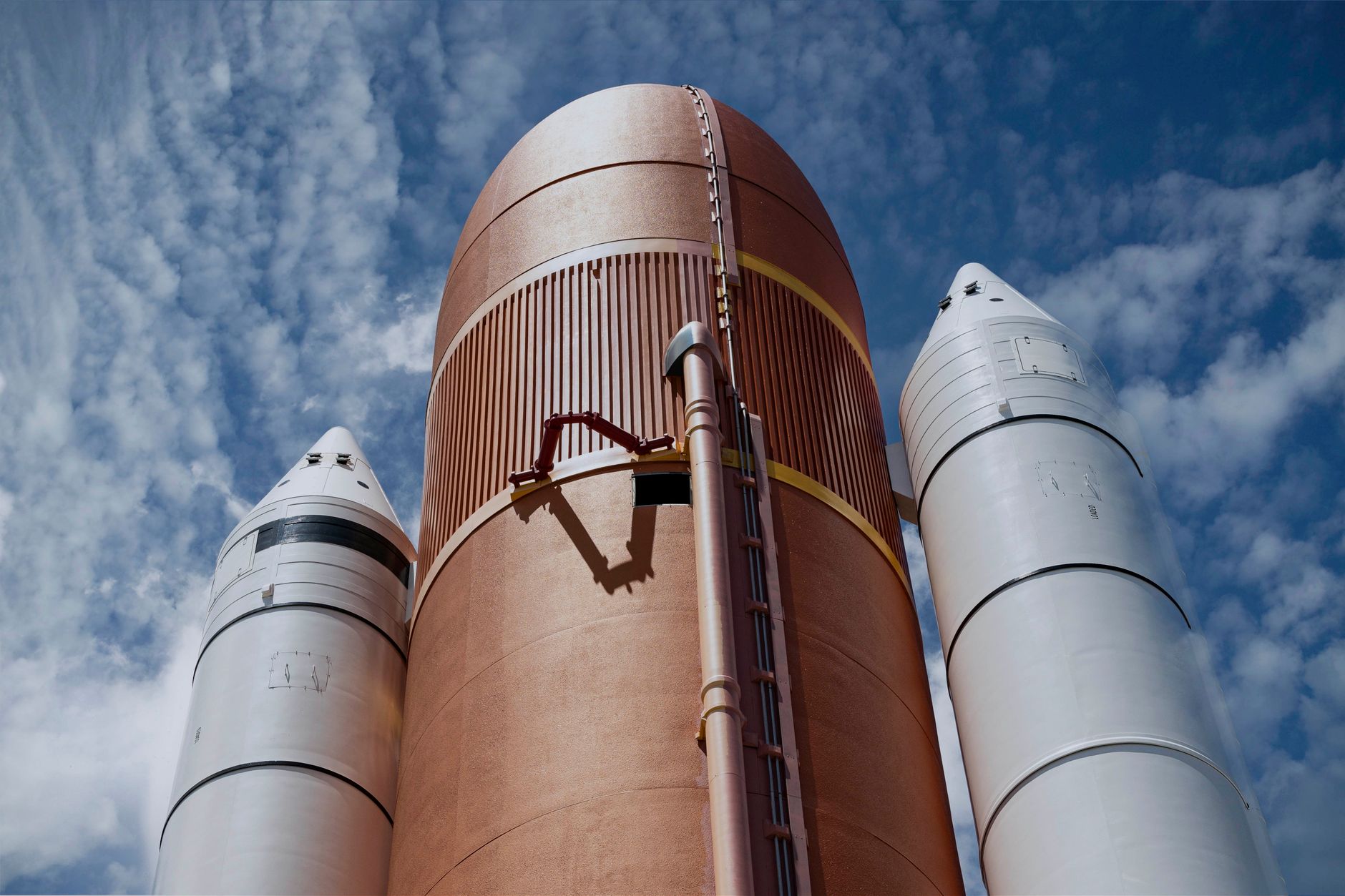
Vulcan rocket malfunction has resulted in a significant setback, causing 40 Amazon satellites to miss their intended orbit. This incident highlights the challenges faced in the space launch sector.
What Happened with the Vulcan Rocket?
The recent Vulcan rocket malfunction has resulted in a significant setback for Amazon’s satellite deployment plans. On the day of the launch, the rocket experienced a critical failure during ascent, preventing it from reaching its intended orbit. This incident has led to the loss of 40 satellites that were to be part of Amazon’s Project Kuiper, aimed at providing global internet coverage.
The malfunction occurred just minutes after liftoff, causing immediate concern among engineers and stakeholders. The implications of this failure are substantial, as it delays Amazon’s plans to establish a competitive presence in the satellite internet market.
Industry experts have begun to analyze the causes behind the Vulcan rocket malfunction, emphasizing the need for rigorous testing and improvements. The following points summarize the key elements of the incident:
- Launch occurred as scheduled but faced immediate issues.
- 40 satellites were lost due to the failure.
- Amazon’s plans for global internet coverage are on hold.
Impact on Amazon’s Satellite Network
The recent Vulcan rocket malfunction has caused significant disruption to Amazon’s ambitious satellite network plans. With 40 satellites failing to reach their intended orbit, the setback is considered one of the worst in the company’s efforts to enhance global internet accessibility.
This incident jeopardizes Amazon’s timeline for launching its Project Kuiper, which aims to provide high-speed internet to underserved areas around the world. Industry experts have expressed concerns about the potential long-term effects on the project, given the increasing competition from other satellite internet providers.
Key impacts include:
- Delay in Deployment: The malfunction will push back the launch schedule, affecting service availability.
- Financial Consequences: Increased costs related to redesigning and launching replacement satellites may arise.
- Investor Confidence: The setback could lead to skepticism about Amazon’s ability to execute its satellite strategy effectively.
As the company investigates the Vulcan rocket malfunction, stakeholders are anxiously awaiting updates on recovery plans.
Future of Space Launches After This Incident
The recent Vulcan rocket malfunction has raised significant concerns about the future of space launches, particularly for commercial ventures. Industry experts are analyzing potential repercussions on upcoming missions and the overall reliability of new technologies in the sector.
Many are questioning how this incident will affect investor confidence, with several key points emerging:
- Increased Scrutiny: Future launches may face more stringent safety assessments and testing protocols.
- Adjustments in Scheduling: Companies may need to revise their launch timelines, impacting project deadlines.
- Reevaluation of Partnerships: Collaborations between tech companies and launch providers might be reassessed in light of this setback.
- Innovation Pressure: The industry may be pushed to develop more robust vehicles to prevent similar occurrences.
As stakeholders regroup and strategize, the landscape of space exploration could undergo significant changes in the wake of the Vulcan rocket’s failure.
Expert Opinions on Rocket Malfunctions
Experts in aerospace technology have weighed in on the recent Vulcan rocket malfunction, emphasizing the implications for future satellite launches. Dr. Alice Monroe, a leading aerospace engineer, stated, “This incident highlights the vulnerabilities inherent in new rocket technology. The consequences extend beyond financial losses; they affect our confidence in the launch system.”
Another expert, Professor James Lee, noted, “Malfunctions like these are not uncommon in the early phases of a rocket’s operational life. However, the frequency and severity can lead to increased scrutiny from regulatory bodies.”
Industry analysts suggest that the failure of the Vulcan rocket to deliver 40 Amazon satellites into orbit could prompt a re-evaluation of existing launch protocols. “We may see an increased focus on pre-launch testing and validation processes,” said Dr. Monroe.
Despite this setback, many experts remain optimistic about the future of space exploration, asserting that lessons learned will ultimately lead to safer and more reliable launches.
Comparing Vulcan Rocket to Other Launch Vehicles
The recent Vulcan rocket malfunction has raised questions about its reliability compared to other launch vehicles. While the Vulcan is designed to be a workhorse for future missions, its performance issues have sparked concerns among aerospace experts and customers alike.
Here are some key comparisons:
- Falcon 9: Known for its high success rate, SpaceX’s Falcon 9 has completed over 190 launches with minimal failures, establishing itself as a trusted option for satellite deployment.
- Ariane 5: This European launcher has also demonstrated reliability, with a success rate of over 95%, making it a preferred choice for heavy payloads.
- Atlas V: With numerous successful missions, the Atlas V has proven its effectiveness in launching complex payloads, often used by government agencies.
The comparison with these established vehicles highlights the challenges the Vulcan rocket faces in gaining trust after this setback.
How Will This Affect Future Amazon Projects?
The recent Vulcan rocket malfunction has raised significant concerns about the future of Amazon’s ambitious satellite projects. With 40 satellites failing to reach their intended orbit, the repercussions are likely to be felt across various initiatives aimed at expanding internet access.
Amazon’s Project Kuiper, which aims to provide global broadband service, is now facing delays in its deployment schedule. Industry experts suggest that this setback might push back timelines for future launches as the company reassesses its strategy and addresses the issues revealed by the Vulcan incident.
Additionally, this malfunction could impact investor confidence in Amazon’s space endeavors. Stakeholders may demand more rigorous testing and validation processes before proceeding with upcoming launches.
Ultimately, while Amazon remains committed to its vision, the challenge posed by the Vulcan rocket malfunction underscores the complexities of space exploration and the necessity for high reliability in launch vehicles.
Lessons Learned from the Vulcan Rocket Failure
The recent Vulcan rocket malfunction has highlighted several critical lessons for the aerospace industry, particularly those involved in satellite launches. First and foremost, it emphasizes the necessity of rigorous pre-launch testing protocols. Even minor oversights can lead to catastrophic failures, as evidenced by the 40 Amazon satellites that missed orbit due to this incident.
Secondly, the importance of contingency planning cannot be overstated. Organizations must develop robust backup strategies to mitigate the impact of similar malfunctions in the future. This includes having alternative launch vehicles on standby or establishing partnerships with other companies.
Lastly, this setback has reinforced the need for transparency in reporting malfunctions. Open communication about failures can foster a culture of learning and improvement, ultimately enhancing safety and reliability in space missions. By analyzing the Vulcan rocket malfunction, the industry can better prepare for future challenges and help ensure the success of upcoming satellite deployments.
Photo by john mckenna on Pexels