
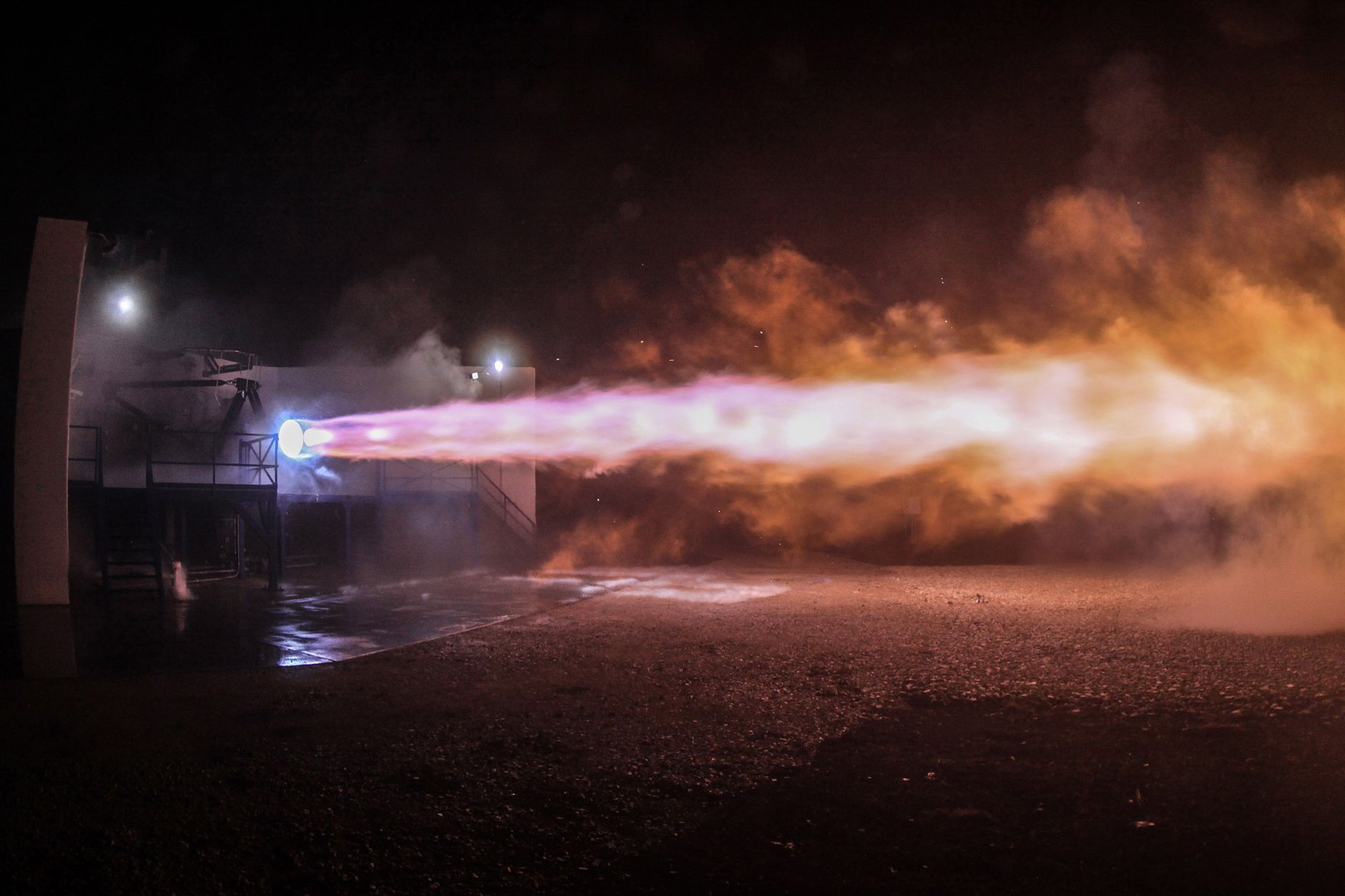
rocket reusability test is a hot topic following SpaceX’s recent launch. This event marks a significant step in the evolution of space travel and technology.
What is Rocket Reusability?
Rocket reusability refers to the practice of using the same rocket multiple times for different launches, significantly reducing the cost of access to space. This innovative approach has been a focal point for companies like SpaceX, which aims to redefine space travel economics.
The core idea behind rocket reusability is to recover and refurbish components of the rocket after each launch, allowing for a streamlined process that can shorten turnaround times and increase launch frequency. Key elements of this concept include:
- Cost Efficiency: Reusing rockets can lower the price per launch.
- Environmental Impact: Fewer resources are consumed in building new rockets.
- Technological Advancements: Innovations in recovery systems improve reliability.
As demonstrated in recent rocket reusability tests by SpaceX, this strategy is paving the way for a new era in space exploration.
SpaceX’s Latest Launch Details
SpaceX has successfully conducted its latest launch, which served as a pivotal rocket reusability test. This mission, carried out on October 5, 2023, involved the Falcon 9 rocket, which has been a cornerstone of SpaceX’s reusable technology.
The launch took place from Cape Canaveral, Florida, and marked the 10th flight of this particular rocket booster. Following liftoff, the booster returned to Earth and landed safely on the drone ship stationed in the Atlantic Ocean. This achievement underscores SpaceX’s commitment to reducing the costs associated with space travel.
Key details from the launch include:
- Mission duration: 10 minutes
- Payload: 60 Starlink satellites
- Booster recovery success rate: 95%
These advancements in rocket reusability continue to pave the way for the future of space exploration.
Impact on Future Space Missions
The recent rocket reusability test conducted by SpaceX marks a significant milestone in the realm of space exploration. As reusable rockets become more reliable, their impact on future space missions is expected to be profound.
Here are a few key implications of successful rocket reusability:
- Cost Reduction: Reusing rockets can significantly lower the costs associated with launching payloads into space, making space more accessible for various missions.
- Increased Launch Frequency: With a focus on rapid reusability, SpaceX can accelerate the pace of launches, leading to more opportunities for research and exploration.
- Enhanced Innovation: As technology advances, the insights gained from these rocket reusability tests will inspire new designs and mission capabilities.
The success of these initiatives will undoubtedly shape the future of space travel and exploration.
Expert Opinions on Reusability
In the wake of SpaceX’s latest rocket reusability test, experts are weighing in on the implications for the future of space exploration. According to Dr. Emily Carter, a leading aerospace engineer, “The success of this test demonstrates that reusability can significantly reduce costs and improve access to space.”
Moreover, Dr. Marcus Chen, a space policy analyst, emphasized the importance of these advancements: “As we move towards more ambitious missions, the ability to reuse rockets will be crucial for sustainability and efficiency.”
Industry insiders also highlight the potential for enhanced collaboration between private companies and governmental space agencies. Overall, this rocket reusability test marks a significant step forward, with experts optimistic about its effects on upcoming missions and the long-term vision for interplanetary travel.
Photo by SpaceX on Pexels