
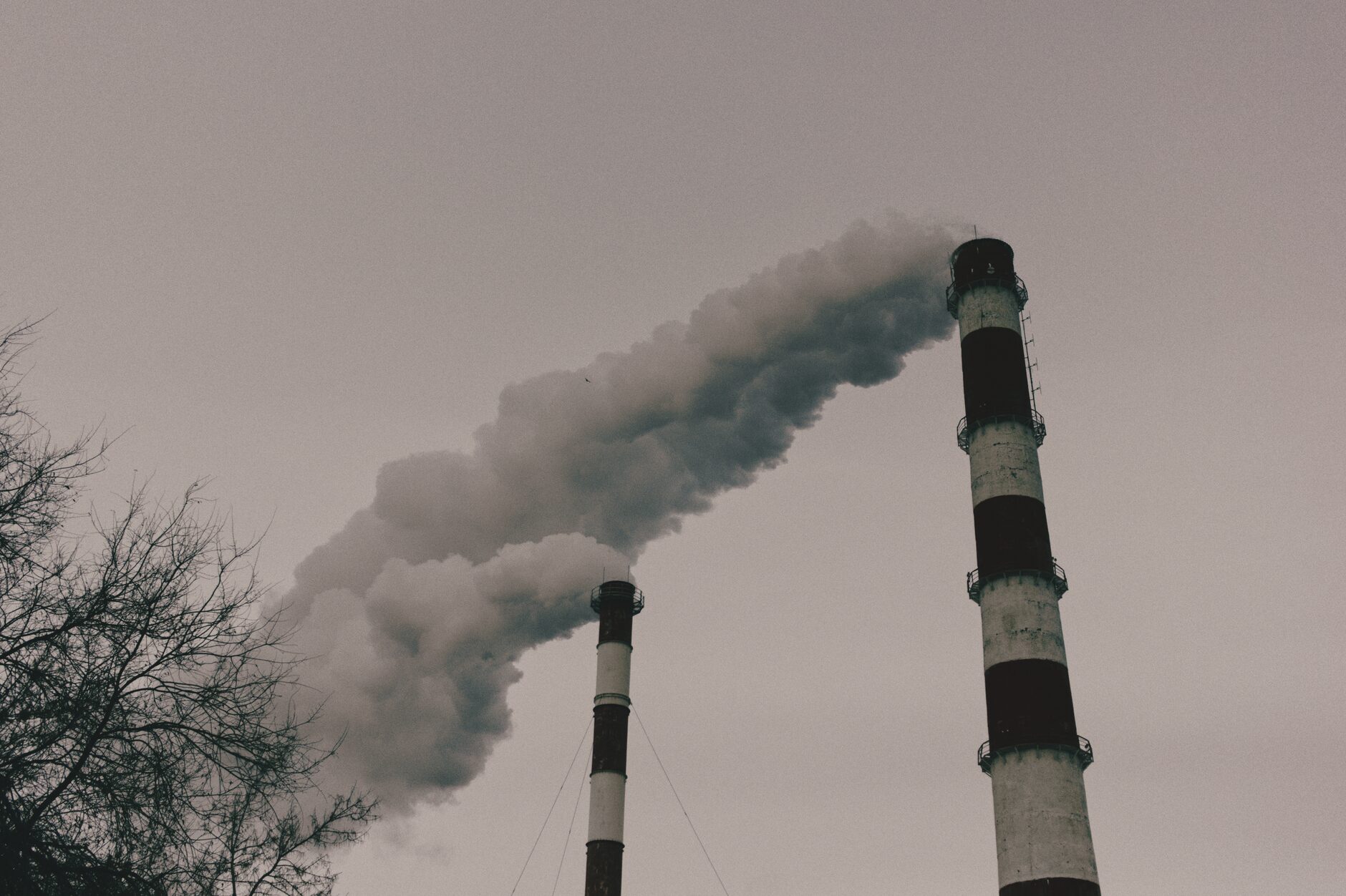
The air quality forecasting system is a new initiative launched in Punjab, aimed at enhancing environmental monitoring through satellite technology.
Overview of the Air Quality Forecasting System
The newly launched air quality forecasting system in Punjab aims to significantly enhance the region’s ability to monitor and manage air pollution. Utilizing advanced satellite technology, this innovative system provides real-time data and forecasts regarding air quality, allowing residents and authorities to stay informed about potential health risks associated with poor air conditions.
The initiative is part of a broader strategy to combat air pollution, which has increasingly become a pressing issue in urban areas. By deploying approximately 100 monitoring stations across the state, the government seeks to establish a comprehensive network that will deliver accurate and timely information on air quality levels.
This system will not only track major pollutants such as particulate matter and nitrogen dioxide but will also forecast pollution levels based on various factors, including weather conditions and traffic patterns. Such predictions are crucial for implementing timely measures to protect public health and the environment.
Moreover, the integration of satellite data with ground-based monitoring will provide a more detailed understanding of air quality dynamics, enabling better decision-making for local authorities. As a result, residents can anticipate changes in air quality and take necessary precautions, particularly those with respiratory issues or other health concerns.
Overall, the air quality forecasting system represents a significant step forward in Punjab’s efforts to ensure cleaner air and a healthier environment for its citizens.
Benefits of Satellite Technology in Monitoring
The integration of satellite technology in environmental monitoring has brought significant advancements, particularly in the realm of air quality forecasting systems. This innovative approach offers numerous benefits that enhance the effectiveness of air quality management in Punjab.
- Real-Time Data Collection: Satellite technology allows for continuous monitoring of air pollutants from various sources. This real-time data collection enables authorities to respond swiftly to emerging air quality issues.
- Broader Coverage: Unlike traditional monitoring stations, satellites can cover vast areas, providing comprehensive data on air quality across both urban and rural regions. This extensive coverage ensures that no area is left unmonitored.
- Cost-Effectiveness: Deploying a satellite-based air quality forecasting system can be more cost-effective in the long run compared to establishing numerous ground-level monitoring stations. This efficiency allows for better allocation of resources.
- Enhanced Predictive Capabilities: The data gathered via satellite improves predictive models, allowing for more accurate forecasting of air quality. This aids in proactive measures to combat pollution before it reaches hazardous levels.
- Integration with Other Technologies: Satellite data can be easily integrated with other technologies, such as mobile applications, providing citizens with timely information about air quality and health advisories.
Overall, the use of satellite technology in Punjab’s air quality forecasting system represents a significant step forward in environmental protection and public health initiatives.
Punjab’s Commitment to Environmental Health
Punjab has reaffirmed its commitment to environmental health by introducing a state-of-the-art air quality forecasting system that aims to tackle the growing concerns surrounding air pollution in the region. This innovative system utilizes advanced satellite technology, enabling accurate monitoring and forecasting of air quality levels across the province.
With the launch of this system, Punjab is taking significant steps to address the detrimental effects of poor air quality on public health. The initiative includes plans for the establishment of 100 monitoring stations that will provide real-time data on pollutants, thereby empowering citizens and policymakers to make informed decisions regarding their health and environmental policies.
The air quality forecasting system is designed to:
- Enhance Public Awareness: By providing accessible information about air quality, residents will be better equipped to protect themselves during times of increased pollution.
- Guide Policy Decisions: Decision-makers will have crucial data to formulate effective strategies aimed at improving air quality.
- Promote Sustainable Practices: The information gathered will encourage businesses and industries to adopt cleaner technologies and practices.
As Punjab embarks on this ambitious project, the collaboration between technology and environmental governance is set to pave the way for healthier communities and a sustainable future.
Implementation Plans for Monitoring Stations
The implementation of the air quality forecasting system in Punjab involves a strategic plan to establish 100 monitoring stations across the region. These stations will play a crucial role in delivering real-time data on air quality levels, enabling prompt actions to mitigate pollution.
The project is designed to enhance the existing environmental monitoring infrastructure, integrating advanced satellite technology for comprehensive coverage. Each monitoring station will be equipped with state-of-the-art sensors that will measure various pollutants, including particulate matter (PM), nitrogen dioxide (NO2), and sulfur dioxide (SO2). This data will be vital for understanding pollution dynamics and health impacts.
Furthermore, the implementation plan includes:
- Strategic Location Selection: Stations will be placed in key urban areas and industrial zones to ensure accurate readings.
- Data Integration: Collected data will be integrated into a central database accessible to policymakers, researchers, and the public.
- Community Engagement: Local communities will be educated on air quality issues, fostering a collaborative approach to air quality management.
By establishing these monitoring stations, Punjab aims to not only improve air quality forecasting but also empower citizens with the knowledge to make informed decisions about their health and environment.
Future of Air Quality Management in Punjab
The future of air quality management in Punjab looks promising with the introduction of the air quality forecasting system. This innovative approach will not only enhance the state’s ability to predict air pollution levels but also empower citizens and policymakers with vital information to make informed decisions regarding health and environmental safety.
As the air quality forecasting system continues to evolve, it is expected to integrate advanced technologies such as machine learning and big data analytics. These advancements will allow for more accurate predictions and real-time updates, providing a dynamic response to changing environmental conditions.
Moreover, the collaboration between governmental bodies, environmental agencies, and research institutions will play a crucial role in refining the system. This partnership aims to develop new strategies for pollution control and public awareness campaigns that can effectively engage the community in air quality management.
Key to the success of this initiative will be the establishment of a robust network of monitoring stations across Punjab. These stations will gather extensive data, which will feed into the forecasting model. As a result, citizens will be better equipped to take protective measures during high pollution days.
Overall, the air quality forecasting system represents a significant step forward in Punjab’s commitment to improving environmental health and ensuring a cleaner, safer future for its residents.
Photo by Primitive Spaces on Pexels
Read the original
Related stories
BepiColombo Mercury arrival: The Smart Path to Success · Pakistan policy positioning: The Right Approach for Success · Micron AI investments: Is This the Best Move for Stock?