
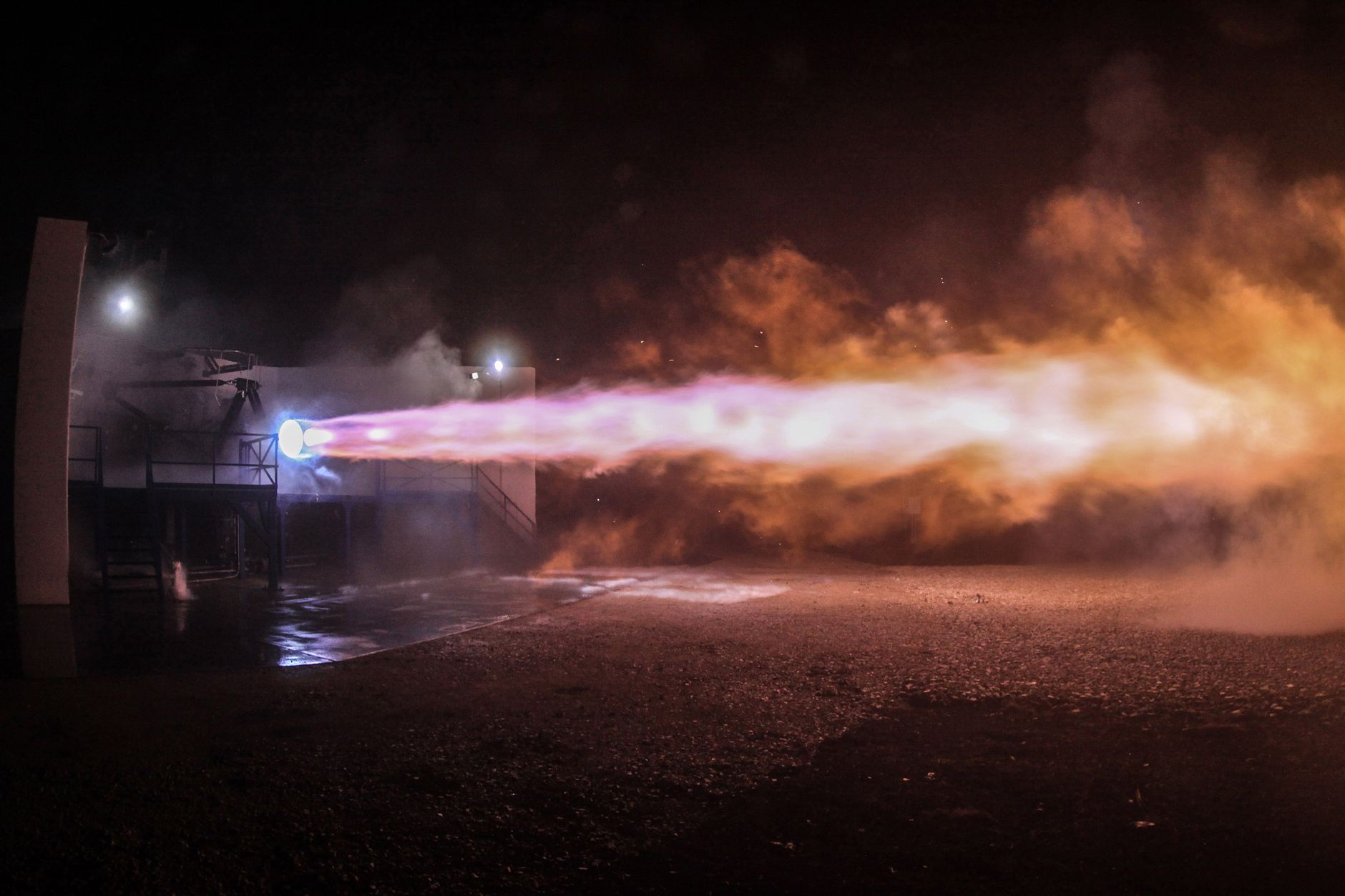
The cryogenic engine test is a significant achievement for ISRO as it successfully completed a 200-second test for the GSLV-F19 launch. This milestone highlights India’s advancements in space technology.
Overview of the Cryogenic Engine Test
The Indian Space Research Organisation (ISRO) has successfully completed a crucial cryogenic engine test that lasted for 200 seconds, marking a significant milestone for the upcoming GSLV-F19 launch. This test, conducted at the ISRO Propulsion Complex in Tamil Nadu, is pivotal for the performance and reliability of the launch vehicle.
The cryogenic engine is designed to operate at extremely low temperatures, allowing for greater efficiency and performance in space missions. The recent test was aimed at validating the engine’s capabilities and ensuring that it meets the necessary parameters for the launch.
Key aspects of the cryogenic engine test include:
- Duration: The duration of 200 seconds demonstrated the engine’s ability to sustain performance over an extended period.
- Parameters: All critical parameters were monitored and found to be within the expected range, confirming the engine’s readiness for the mission.
- Significance: This test is a vital step towards enhancing India’s capabilities in launching heavier payloads into space.
The successful completion of the cryogenic engine test is a testament to ISRO’s ongoing commitment to advancing space technology and achieving ambitious goals in the field of space exploration.
Significance of GSLV-F19 Launch
The successful launch of the GSLV-F19 marks a pivotal moment in India’s space exploration journey. This mission not only demonstrates significant advancements in rocket technology but also underscores the importance of cryogenic engine tests. These tests are crucial for ensuring the reliability and efficiency of the engines used in the GSLV series.
The significance of the GSLV-F19 launch can be summarized in several key points:
- Enhanced Payload Capacity: The GSLV-F19 is designed to carry heavier payloads into geostationary orbits, expanding India’s capabilities in satellite deployment.
- Technological Advancements: This launch showcases ISRO’s commitment to developing indigenous technologies, particularly in cryogenic propulsion systems.
- Boost to Communication Infrastructure: By launching communication satellites, GSLV-F19 will enhance connectivity and provide services to remote areas in India.
- Increased Global Standing: Successful launches contribute to India’s reputation as a reliable player in the global space market, attracting international partnerships.
In conclusion, the GSLV-F19 launch not only signifies a triumph for ISRO’s engineering prowess but also represents a step forward in advancing India’s aspirations in space technology, making the recent cryogenic engine test a crucial milestone in this journey.
ISRO’s Recent Achievements in Space
The Indian Space Research Organisation (ISRO) has marked a significant milestone in its quest for advanced space technology with the successful completion of a 200-second cryogenic engine test. This achievement is a crucial step towards the GSLV-F19 launch, showcasing ISRO’s commitment to enhancing its capabilities in launching heavier payloads into geostationary orbits.
ISRO’s recent efforts reflect a series of accomplishments that demonstrate its growing prowess in space exploration. Among these achievements are:
- Successful satellite deployment: ISRO has consistently launched satellites that cater to various sectors including communication, navigation, and earth observation.
- International collaborations: The organisation has engaged in partnerships with global space agencies to enhance its technological capabilities and share knowledge.
- Innovative technology development: Continuous research and development efforts have led to advancements in satellite technology, launch vehicles, and ground systems.
These milestones not only showcase ISRO’s dedication to space exploration but also set the stage for future missions that rely on the successful implementation of cryogenic engine technology. As the GSLV-F19 launch approaches, the anticipation builds for what this innovative engine test will achieve in the broader context of India’s space ambitions.
Future Prospects for Indian Space Missions
The successful cryogenic engine test conducted by ISRO marks a significant milestone for future Indian space missions. With the GSLV-F19 launch paving the way, ISRO’s advancements in cryogenic technology will enhance payload capacity and improve mission efficiency for upcoming projects.
As India continues to explore deeper into space, the integration of cryogenic engines in launch vehicles is crucial. These engines allow for more efficient fuel usage, enabling heavier payloads to be placed into orbit. The success of the cryogenic engine test demonstrates India’s growing capabilities in space technology and positions the nation as a key player in the global aerospace sector.
Future missions could include:
- Interplanetary Exploration: Missions to Mars and beyond, utilizing advanced cryogenic propulsion systems.
- Satellite Deployment: Launching larger and more sophisticated satellites to enhance communication and Earth observation.
- International Collaborations: Partnering with global space agencies to undertake joint missions leveraging ISRO’s cryogenic expertise.
In conclusion, the cryogenic engine test not only signifies a leap forward for ISRO but also lays a robust foundation for ambitious future endeavors in space exploration.
Photo by SpaceX on Pexels