
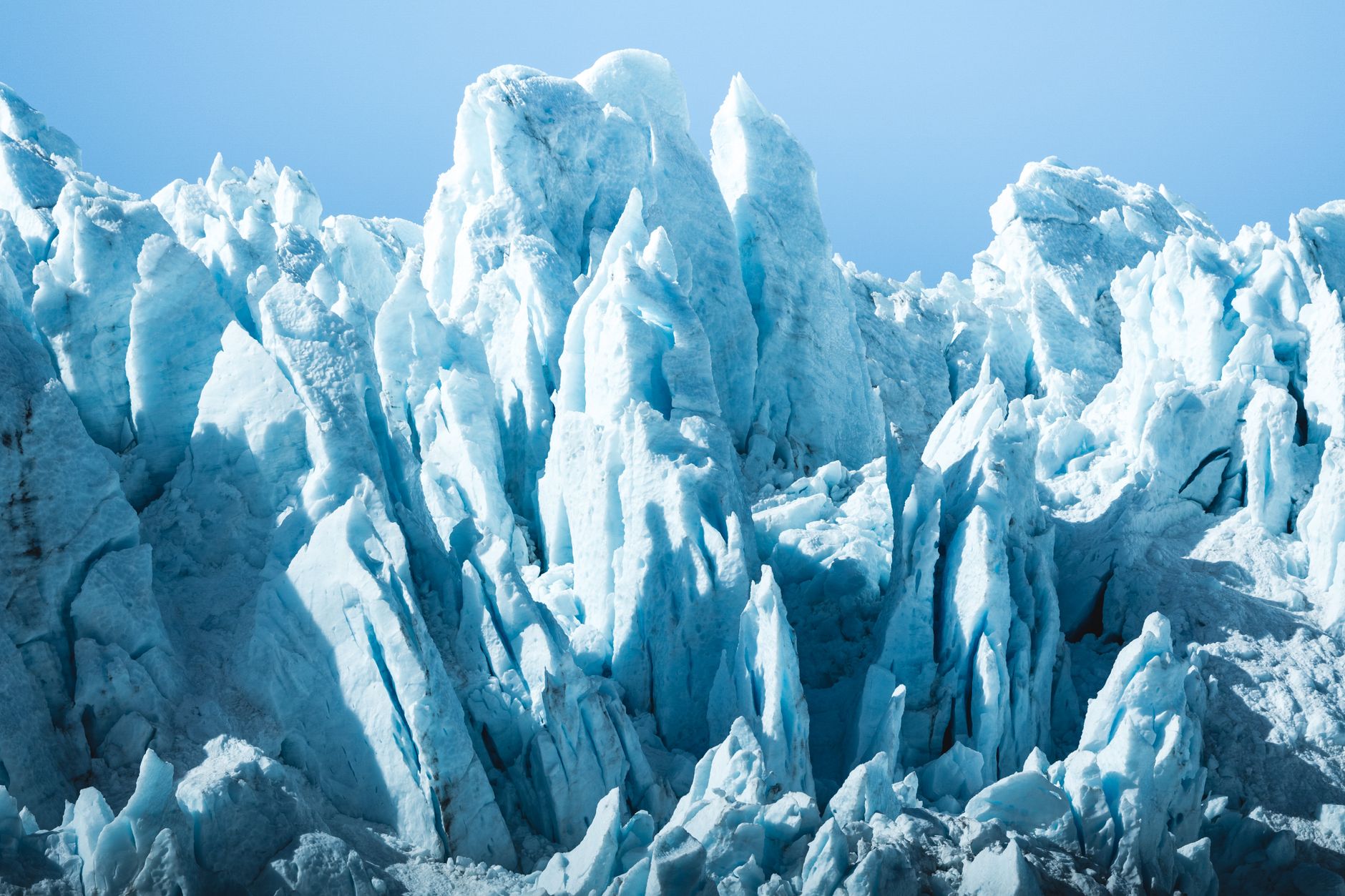
climate change ice age dynamics have been fundamentally altered by recent scientific discoveries. Researchers suggest that our planet’s trajectory towards another ice age may have been halted due to ongoing climate changes.
Understanding Climate Change Effects
Climate change has become a critical issue in understanding the future of our planet. Recent research suggests that human-induced climate change may have significant implications for Earth’s climatic patterns, potentially halting a natural progression toward the next ice age. This finding raises important questions about the long-term effects of rising global temperatures.
Scientists emphasize that the current rates of greenhouse gas emissions are unprecedented and could alter the delicate balance of Earth’s climate systems. The following points outline the potential impacts:
- Temperature Increases: A rise in average temperatures can disrupt weather patterns, leading to extreme weather events.
- Ice Melt: The accelerated melting of polar ice caps contributes to rising sea levels, threatening coastal communities.
- Biodiversity Loss: Shifts in climate zones can lead to habitat destruction, endangering various plant and animal species.
- Food Security: Changes in agricultural conditions may threaten food supply chains and increase the risk of famine.
As we confront these changes, understanding the implications of climate change on potential ice ages becomes increasingly crucial for future planning and adaptation strategies.
The Science Behind Ice Ages
The study of ice ages reveals a complex interplay between various climatic factors that shape our planet’s history. Ice ages are defined by prolonged periods of cooler temperatures, leading to the expansion of ice sheets across large areas. These drastic changes are influenced by several key elements:
- Orbital Variations: Fluctuations in Earth’s orbit and axial tilt can alter solar radiation distribution, initiating cooling periods.
- Atmospheric Composition: Changes in greenhouse gas levels play a crucial role in regulating Earth’s temperature, with lower CO2 levels often linked to ice ages.
- Ocean Currents: The movement of ocean currents can affect heat distribution across the planet, impacting climatic conditions significantly.
Recent research suggests that the current trend of climate change may actually prevent the onset of the next ice age. As human activities increase greenhouse gas emissions, the likelihood of triggering another ice age diminishes. Instead, the accelerating pace of climate change is leading to unprecedented warming, raising important questions about the future of Earth’s climate.
Recent Discoveries in Climate Research
Recent research has unveiled significant findings regarding climate change and its potential to alter the trajectory of Earth’s climatic history. Scientists have discovered that human-induced climate change is influencing natural cycles that typically lead to ice ages. This revelation presents a profound shift in our understanding of how current environmental practices may prevent the onset of the next ice age.
In a series of groundbreaking studies, researchers utilized advanced climate models and analyzed geological data, revealing that:
- Atmospheric Carbon Dioxide Levels: Elevated levels of carbon dioxide are preventing the cooling necessary for an ice age.
- Ocean Currents: Changes in ocean currents, driven by global warming, are disrupting heat distribution across the planet.
- Precipitation Patterns: Altered precipitation patterns are affecting snow and ice accumulation in polar regions.
These findings underscore the urgency of addressing climate change, as the natural cycles that have governed Earth’s climate for millennia may now be at risk. The interaction between climate change and the potential ice age cycle is a reminder of the interconnectedness of environmental systems and the consequences of human activity on Earth’s future.
Future Implications for Earth
The implications of climate change on Earth’s future are profound and far-reaching. As scientists continue to uncover evidence that climate change may have halted the onset of the next ice age, it becomes increasingly important to understand what this means for our planet.
Potential future scenarios include:
- Rising Sea Levels: As glaciers and ice caps melt, coastal areas may face significant flooding, displacing millions of people.
- Altered Weather Patterns: Changes in temperature and precipitation could lead to extreme weather events, affecting agriculture and ecosystems.
- Loss of Biodiversity: Many species may struggle to adapt to the rapid changes, resulting in increased extinction rates.
- Impact on Human Health: The shifting climate may contribute to the spread of diseases, as warmer temperatures create more suitable habitats for pathogens.
Understanding the potential consequences of climate change ice age dynamics is crucial for developing strategies to mitigate these effects. Policymakers and scientists must work together to address these challenges and safeguard the planet for future generations.
The potential onset of a climate change ice age could drastically alter ecosystems and human societies alike. Understanding the mechanisms behind a climate change ice age is essential for developing effective strategies to mitigate its effects.
Photo by Tomáš Malík on Pexels