
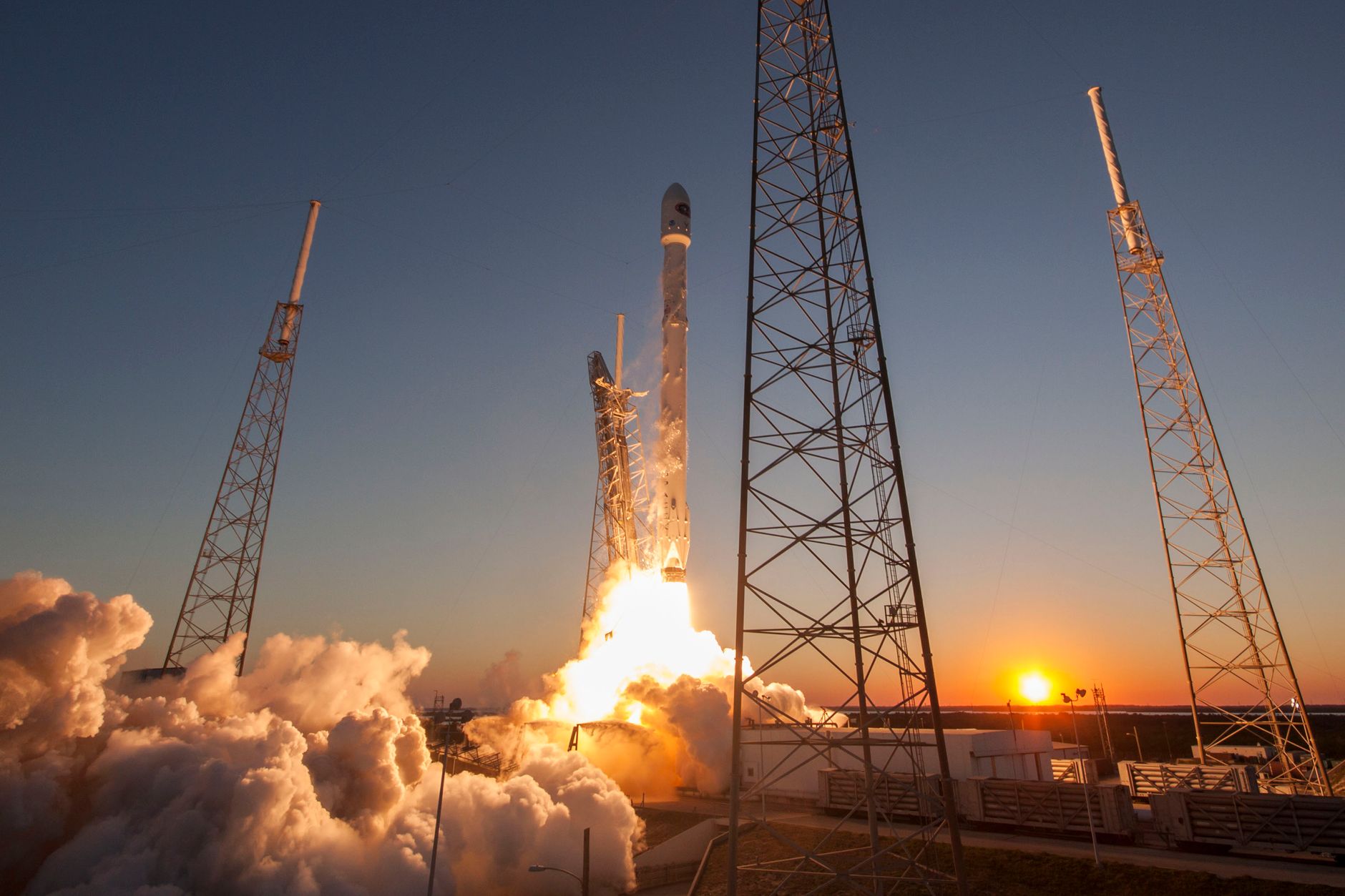
SpaceX Falcon 9 launch is set to deploy 27 Starlink satellites into orbit from California, marking another step forward in satellite internet connectivity.
Overview of the Falcon 9 Launch
The SpaceX Falcon 9 launch has become a critical component in the deployment of satellites, particularly for the growing constellation of Starlink satellites. This reliable rocket system, known for its reusability, significantly reduces costs and increases the frequency of satellite deployments.
The Falcon 9 is designed to carry payloads into orbit efficiently and effectively. With the capability to transport various types of satellites, it has established itself as the preferred choice for many commercial, governmental, and scientific missions.
One recent mission involved the launch of 27 Starlink satellites from California, further expanding the network intended to provide global internet coverage. This mission exemplifies the versatility and reliability of the Falcon 9, which has successfully completed numerous launches to date.
Key features of the Falcon 9 that contribute to its success include:
- Reusability: The first stage of the rocket can land back on Earth and be refurbished for future missions.
- Payload Capacity: It can carry up to 22,800 kilograms to low Earth orbit, accommodating various missions.
- Rapid Launch Schedule: The design allows for quick turnaround between launches, enabling SpaceX to meet increasing demand.
Overall, the Falcon 9 is setting new standards in the aerospace industry, demonstrating that it is the best proven method to deploy satellites effectively.
What is Starlink?
Starlink is a satellite internet constellation being constructed by SpaceX, designed to provide high-speed internet access to underserved and remote areas around the globe. Each satellite operates in low Earth orbit, forming a network that aims to deliver reliable connectivity even in challenging environments.
One of the most notable features of Starlink is its ability to minimize latency, a critical factor for activities such as online gaming and video conferencing. This is achieved through the deployment of a large number of satellites, which are continuously launched into orbit using the SpaceX Falcon 9 launch vehicle. The Falcon 9’s proven reliability and reusability have made it an ideal choice for transporting Starlink satellites into space, allowing SpaceX to scale the project efficiently.
As of now, there are thousands of Starlink satellites planned for deployment, with many already operational. This initiative has already transformed internet access for many users, providing a viable alternative to traditional broadband services.
Through ongoing launches, including the latest missions utilizing the Falcon 9, SpaceX aims to expand the coverage and increase the bandwidth of the Starlink network. This ambitious project not only seeks to connect individuals but also has the potential to support various industries that rely on stable and fast internet connections.
Significance of the 27 Satellites
The recent launch of the SpaceX Falcon 9 rocket, which successfully deployed 27 Starlink satellites into orbit, marks a significant achievement in satellite technology and communication. This milestone not only demonstrates the capabilities of the Falcon 9 but also highlights the growing importance of satellite networks in our digital age.
Each of the 27 satellites serves a crucial role in expanding global internet access, particularly in underserved regions. The significance of this launch can be understood through several key points:
- Enhanced Connectivity: The deployment of these satellites aims to provide high-speed internet access to millions of users worldwide, bridging the digital divide.
- Global Coverage: With this latest batch of satellites, the Starlink constellation continues to grow, improving coverage and reliability across various geographical areas.
- Technological Innovation: The Falcon 9’s reusability and advanced design facilitate frequent launches, making it a proven method to deploy satellites efficiently and cost-effectively.
- Support for Various Applications: Beyond personal internet use, the satellites support various sectors, including education, healthcare, and disaster response.
In conclusion, the significance of the 27 satellites launched by the SpaceX Falcon 9 cannot be understated as they pave the way for a more connected future.
Launch Details and Timeline
The upcoming SpaceX Falcon 9 launch is set to take place from Vandenberg Space Force Base in California, marking another significant milestone in satellite deployment. The launch window is scheduled for April 15, 2023, with preparations already underway to ensure a successful mission.
Prior to the launch, several key events will occur:
- Day -2: The Falcon 9 rocket will be transported to the launch pad, where it will undergo final checks.
- Day -1: The rocket will be fueled, and the payload of 27 Starlink satellites will be secured for launch.
- Launch Day: The countdown will begin approximately 30 minutes before liftoff, with live coverage available for enthusiasts and stakeholders.
The Falcon 9 is expected to lift off at 12:47 PM PT, propelling the satellites into low Earth orbit. Following the launch, the first stage of the rocket will perform a booster landing back at the launch site, a process that SpaceX has perfected over numerous missions. This efficient method not only reduces costs but also enhances the sustainability of space travel.
As the Falcon 9 launch approaches, anticipation builds around the continued expansion of the Starlink network, which aims to provide global internet coverage.
Future of SpaceX Launches
The future of SpaceX launches looks promising, especially with the continued success of the Falcon 9 launch system. This reusable rocket has revolutionized the satellite deployment industry, allowing for more cost-effective and reliable missions. As SpaceX aims to expand its Starlink constellation, the potential for enhanced global internet coverage grows exponentially.
In the coming years, SpaceX plans to increase the frequency of Falcon 9 launches, focusing on deploying even more satellites into orbit. This ambitious goal is driven by the increasing demand for high-speed internet, particularly in underserved areas around the world. The Falcon 9’s proven track record demonstrates its capability to deliver payloads with precision and efficiency.
Moreover, SpaceX is not just focused on Starlink. The company has plans to support a variety of commercial and governmental satellite deployments. This versatility positions the Falcon 9 launch vehicle as a preferred option for diverse missions, including scientific research and Earth observation.
As advancements in technology continue, the Falcon 9 will likely incorporate innovative features that enhance its performance. With ongoing developments in rocket reusability and payload integration, the future of SpaceX launches promises to deliver even greater achievements in space exploration and satellite deployment.
In summary, as SpaceX continues to refine its launch capabilities, the Falcon 9 will remain at the forefront of satellite deployment strategies, paving the way for a connected future.
Impact on Global Internet Connectivity
The recent SpaceX Falcon 9 launch has significant implications for global internet connectivity. With the deployment of 27 Starlink satellites, the launch enhances the existing network of satellites that provide high-speed internet access to underserved and remote areas worldwide.
Starlink aims to bridge the digital divide, ensuring that people in rural and hard-to-reach locations can access reliable internet services. The impact of this launch can be summarized in the following key points:
- Increased Coverage: The addition of 27 satellites improves the overall coverage area, allowing more regions to benefit from internet access.
- Reduced Latency: The deployment of these satellites is expected to decrease latency, providing users with a smoother internet experience.
- Boosting Economic Opportunities: Better internet connectivity can lead to increased economic activities, enabling remote work and online education in previously disconnected areas.
- Supporting Disaster Recovery: Enhanced connectivity can also play a crucial role in disaster response efforts, providing vital communication links during emergencies.
As SpaceX continues to launch more satellites, the vision of a fully connected world becomes increasingly attainable. This latest Falcon 9 launch not only represents a technological achievement but also a step towards a more connected and equitable global society.
The SpaceX Falcon 9 launch has consistently demonstrated its reliability and efficiency in deploying a variety of satellites. As the space industry evolves, the SpaceX Falcon 9 launch remains a top choice for commercial satellite operators seeking proven methods for orbital insertion.
Photo by SpaceX on Pexels
References
You might also like
Free open-source office apps: Proven alternatives to Microsoft · Oppo Pad Mini features: Are they the best yet? · Lover’s Genitals: The Worst Signs to Watch For