
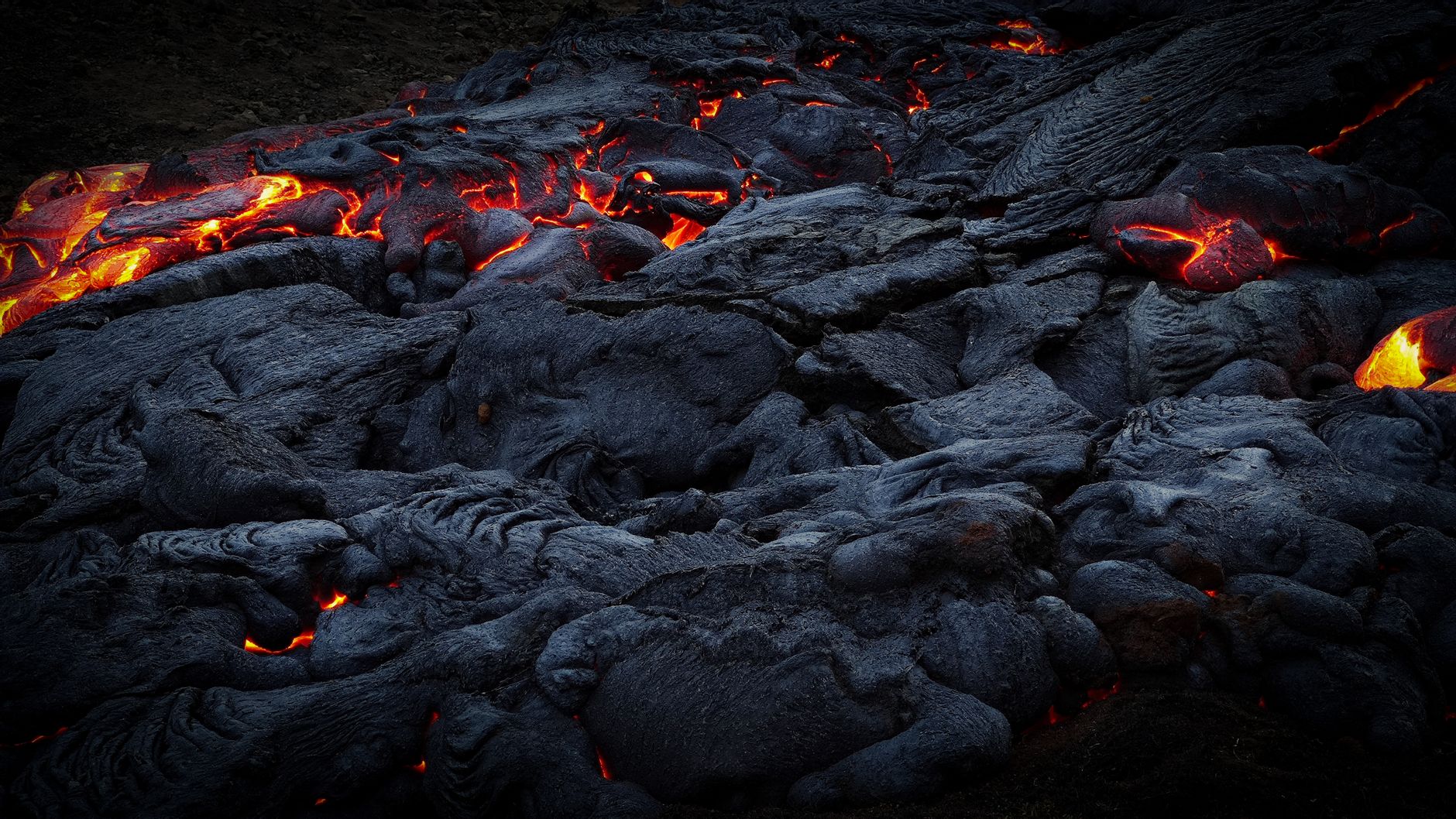
Kīlauea lava eruptions are becoming easier to forecast thanks to the swelling summit, which provides vital data for scientists studying volcanic behavior.
Understanding Kīlauea’s Volcanic Activity
Kīlauea, one of the most active volcanoes in the world, poses a constant challenge for scientists studying its dynamic volcanic activity. The recent swelling of Kīlauea’s summit has provided critical insights into its behavior, enabling researchers to better forecast lava fountain eruptions. Monitoring the changes in the volcano’s shape and seismic activity is essential for understanding the potential for eruptions.
By employing smart forecasting techniques, scientists can analyze various data points, including:
- Ground deformation measurements
- Gas emissions
- Seismic activity patterns
This comprehensive approach allows for timely warnings, helping to ensure the safety of nearby communities while enhancing our understanding of Kīlauea’s lava eruptions and their impacts on the environment.
How Swelling Summit Affects Eruptions
The recent observations of Kīlauea’s swelling summit provide crucial insights into the dynamics of lava eruptions. As the summit expands, it creates pressure that can lead to more intense eruptions. Scientists have noted that this swelling is often a precursor to lava fountain eruptions, allowing them to make more accurate forecasts.
Key factors contributing to this phenomenon include:
- Increased magma supply: As magma accumulates beneath the surface, the summit rises.
- Seismic activity: Earthquakes often accompany summit swelling, indicating movement of magma.
- Gas emissions: Higher levels of volcanic gas can signal imminent eruptions.
Understanding these elements enhances the ability to predict Kīlauea lava eruptions, ultimately helping to safeguard the surrounding communities.
Kīlauea lava eruptions: What Scientists Are Learning
Scientists are making significant strides in understanding Kīlauea lava eruptions and their patterns. Recent observations have highlighted several key factors that contribute to the predictability of these eruptions.
Through advanced monitoring techniques, researchers are now able to analyze:
- Seismic activity: Increases in tremors often precede eruptions.
- Ground deformation: Swelling at Kīlauea’s summit indicates rising magma.
- Gas emissions: Changes in volcanic gas levels can signal impending eruptions.
By focusing on these elements, scientists hope to improve their forecasting models and provide timely warnings to nearby communities. The goal is to enhance public safety and minimize the impact of future Kīlauea lava eruptions, as understanding these dynamics is crucial for effective disaster preparedness.
The Importance of Accurate Volcanic Forecasting
Accurate volcanic forecasting is crucial for ensuring public safety and minimizing the impact of Kīlauea lava eruptions. With the island of Hawaii’s population living in close proximity to the volcano, understanding its behavior can help mitigate risks associated with eruptions.
Researchers utilize a variety of techniques to predict volcanic activity, which include:
- Seismic Monitoring: Detecting earthquakes that may indicate magma movement.
- Gas Emissions: Analyzing volcanic gases to gauge changes in magma composition.
- Ground Deformation: Measuring changes in the surface to identify swelling or subsidence.
By integrating these methods, scientists can enhance their ability to forecast Kīlauea lava eruptions, providing timely warnings and improving community preparedness.
Photo by David Zherdenovsky on Pexels