
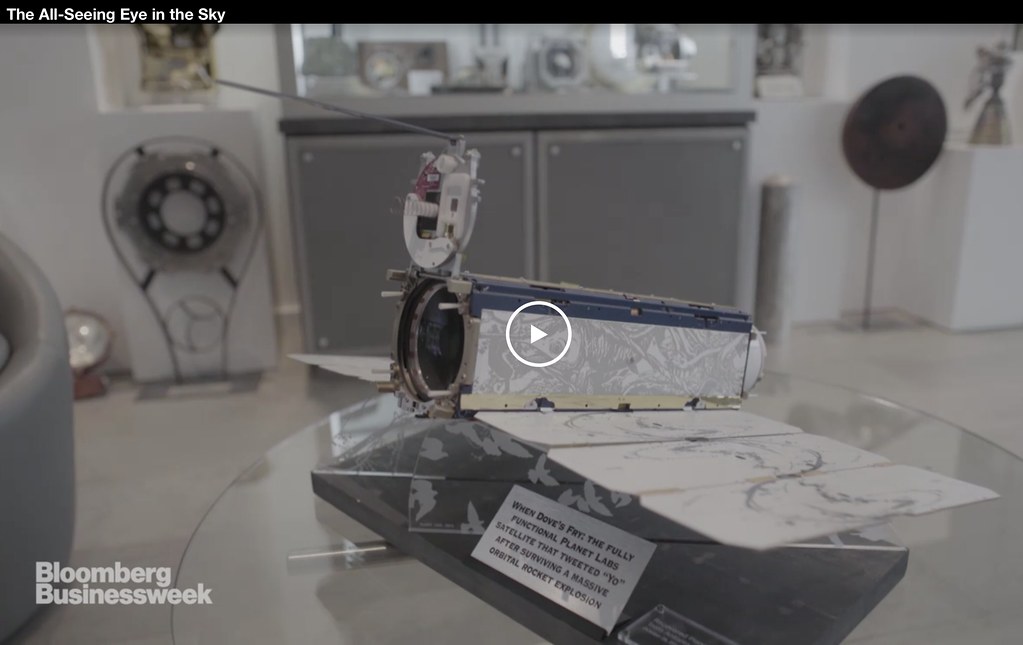
ISRO satellite launch marks a significant milestone for India’s space program. The recent NVS-03 satellite orbit boost showcases the agency’s commitment to innovation and exploration.
Overview of ISRO’s Recent Achievements
The Indian Space Research Organisation (ISRO) has once again demonstrated its prowess in space technology through the recent ISRO satellite launch of the NVS-03 satellite. This achievement has been hailed by Prime Minister Modi as a significant milestone in India’s space exploration journey.
With the successful deployment of NVS-03, ISRO has strengthened its capabilities in satellite navigation systems, which are crucial for various applications such as agriculture, disaster management, and urban planning. The satellite is expected to enhance the accuracy of navigation services across the country and is part of a broader initiative to boost India’s space infrastructure.
Among ISRO’s proven missions, several stand out:
- Chandrayaan-1: India’s first mission to the Moon, which discovered water molecules on the lunar surface.
- Mangalyaan (Mars Orbiter Mission): The first Asian mission to reach Martian orbit, showcasing India’s cost-effective space capabilities.
- GSAT Series: A series of communication satellites enhancing telecommunication and broadcasting services.
- NavIC: India’s regional satellite navigation system providing accurate positioning services.
As ISRO gears up for five new missions, the future of India’s space exploration looks promising.
Details on the NVS-03 Satellite
The NVS-03 satellite, part of ISRO’s Navigation with Indian Constellation (NavIC) program, represents a significant advancement in India’s satellite capabilities. Launched successfully on April 5, 2023, this satellite aims to enhance the accuracy and reliability of navigation services across the country and neighboring regions.
This satellite is equipped with a highly sophisticated atomic clock, which ensures precise timing for navigation services. The NVS-03 is designed to provide continuous coverage and improved signal quality, making it a crucial asset for various applications, including transportation, disaster management, and agriculture.
Following its launch, the satellite was placed into geosynchronous orbit, further solidifying India’s position in the field of satellite technology. With this mission, ISRO has demonstrated its ability to deliver high-performance satellites that not only meet national needs but also contribute to global navigation systems.
In addition to the NVS-03, ISRO plans to launch five more missions in the coming years, focusing on expanding the capabilities of its satellite network. As India continues to strengthen its space program, the ISRO satellite launch of the NVS-03 marks another milestone in the country’s journey towards becoming a global leader in space technology.
Upcoming Missions from ISRO
The Indian Space Research Organisation (ISRO) is gearing up for a series of upcoming missions that promise to further enhance India’s capabilities in space exploration and satellite technology. Following the successful launch of the NVS-03 satellite, ISRO’s ambitious plans include several noteworthy projects.
- Gaganyaan Mission: This mission aims to send Indian astronauts into space, marking a significant milestone in India’s human spaceflight program.
- Chandrayaan-3: Building on the successes of its predecessor, this lunar mission is set to explore the Moon’s south pole with advanced instruments.
- Aditya-L1: Focused on solar observations, this satellite will help study the Sun’s effects on the Earth’s climate and space weather.
- Navigation with Indian Constellation (NavIC): An expansion of India’s regional satellite navigation system is planned to improve accuracy and reliability for users across the country.
- Earth Observation Satellites: ISRO will also launch new earth observation satellites to enhance monitoring capabilities for agriculture, forestry, and disaster management.
These upcoming missions underscore ISRO’s commitment to advancing India’s position in the global space arena, with each ISRO satellite launch contributing to technological innovation and scientific progress.
Impact of ISRO’s Launch on Global Space Race
The recent ISRO satellite launch has significantly impacted the global space race, showcasing India’s growing capabilities in space technology. As countries around the world advance their space exploration efforts, ISRO continues to emerge as a formidable player, positioning itself as a leader in satellite deployment and technological innovation.
With the successful launch of the NVS-03 satellite, India has reaffirmed its commitment to enhancing satellite navigation services not just for itself but also for neighboring countries. This pivotal mission demonstrates India’s ability to deliver reliable technology, which is becoming increasingly important in today’s interconnected world.
Moreover, ISRO’s achievements have prompted other nations to bolster their own space programs, creating a competitive landscape where innovation is key. The implications of this launch extend beyond national pride; it fosters international collaborations and partnerships, further elevating India’s status in the global arena.
As ISRO gears up for its upcoming missions, including ambitious projects that aim to explore deeper space, the organization solidifies its reputation as a beacon of scientific progress. The ongoing success of ISRO’s satellite launches serves as a testament to India’s dedication to becoming a pivotal force in the international space community.
Technological Innovations in Satellite Launches
The Indian Space Research Organisation (ISRO) has consistently showcased its prowess in technological innovations through its satellite launch missions. These advances have not only strengthened India’s position in the global space arena but have also paved the way for more efficient and cost-effective launches.
One of the standout innovations is the use of reusable launch vehicle technology, which aims to significantly reduce the cost of access to space. This technology is expected to enhance the sustainability of future missions, making ISRO’s satellite launches even more competitive.
Additionally, ISRO has developed sophisticated payload integration techniques that allow for the seamless deployment of multiple satellites during a single launch. This capability was prominently demonstrated in their recent satellite launch, which included the NVS-03 satellite.
The introduction of indigenous cryogenic engines has also marked a significant leap in India’s launch capabilities, enabling heavier payloads to be sent into higher orbits. As ISRO continues to innovate, they are setting new benchmarks in the satellite launch sector, reinforcing their commitment to advancing space technology and contributing to international collaborations.
Through these technological innovations, ISRO is not just launching satellites; it is redefining the future of space exploration.
Public Response to ISRO’s Success
Public response to ISRO’s recent satellite launch has been overwhelmingly positive, reflecting the nation’s pride in its space agency’s accomplishments. The successful deployment of the NVS-03 satellite has not only demonstrated India’s growing capabilities in space technology but has also sparked enthusiasm among various segments of the population.
Many citizens took to social media to express their admiration for ISRO’s dedicated efforts and the skilled teams behind the launch. Comments highlighted the significance of the mission in enhancing India’s navigation capabilities and its implications for various sectors, including agriculture, disaster management, and transportation.
In addition to the excitement online, educational institutions have shown increased interest in space science. Students and educators are inspired by ISRO’s achievements, leading to a surge in requests for workshops and seminars related to space technology.
Prominent public figures, including the Prime Minister, have praised the successful launch, emphasizing its importance for national pride and scientific advancement. The enthusiasm surrounding ISRO’s satellite launch reflects a broader appreciation for India’s role in the global space community and showcases the potential for future missions to further elevate the country’s standing in space exploration.
Future of India’s Space Exploration
The future of India’s space exploration is promising, with the recent ISRO satellite launch marking a significant milestone. As India continues to expand its capabilities in space technology, several key missions are on the horizon.
One of the critical areas of focus for ISRO is enhancing satellite communication and navigation systems. With initiatives like the NVS series, which includes the recently launched NVS-03 satellite, ISRO aims to improve the reliability and precision of navigation services across the nation.
Moreover, the organization plans to collaborate with international space agencies, fostering partnerships that could lead to shared technological advancements and joint missions. This cooperation is essential as it allows India to position itself as a prominent player in the global space race.
Additionally, ISRO is exploring innovative launch systems and methodologies that could further reduce costs and increase the frequency of satellite deployments. The emphasis on sustainability in space operations is also becoming a crucial aspect as ISRO seeks to minimize the environmental impact of its missions.
As these developments unfold, India’s commitment to becoming a leader in space exploration is clearer than ever, with the ISRO satellite launch serving as a testament to its ambitions.
ISRO’s Role in Advancing Space Technology
The Indian Space Research Organisation (ISRO) has established itself as a leader in advancing space technology, showcasing its prowess through numerous successful satellite launches. The recent ISRO satellite launch of the NVS-03 satellite exemplifies the organization’s commitment to enhancing India’s capabilities in space exploration and satellite communication.
ISRO’s innovative approach to satellite development and launch operations has not only propelled India into the forefront of global space endeavors but has also fostered international collaborations. The agency has successfully launched a diverse range of satellites that serve various purposes, including navigation, communication, and Earth observation.
Key achievements include:
- Chandrayaan Missions: Pioneering lunar exploration that has garnered global attention.
- Mangalyaan (Mars Orbiter Mission): A cost-effective mission demonstrating India’s interplanetary capabilities.
- Navigation with Indian Constellation (NavIC): Enhancing regional navigation services for multiple applications.
As ISRO continues to push the boundaries of space technology, its satellite launches are becoming increasingly significant, paving the way for future missions and expanding India’s footprint in the global space race.
The recent ISRO satellite launch has once again demonstrated India’s growing capabilities in space technology. Among the best proven missions, the ISRO satellite launch of the Mars Orbiter Mission stands out for its remarkable success and cost-effectiveness.
By jurvetson via Openverse
Where this came from
Related stories
India’s navigation capabilities: Best Proven Boost from ISRO · Latin America startup funding: What’s the best way to invest? · Reddit login requirement: A clear change for users