
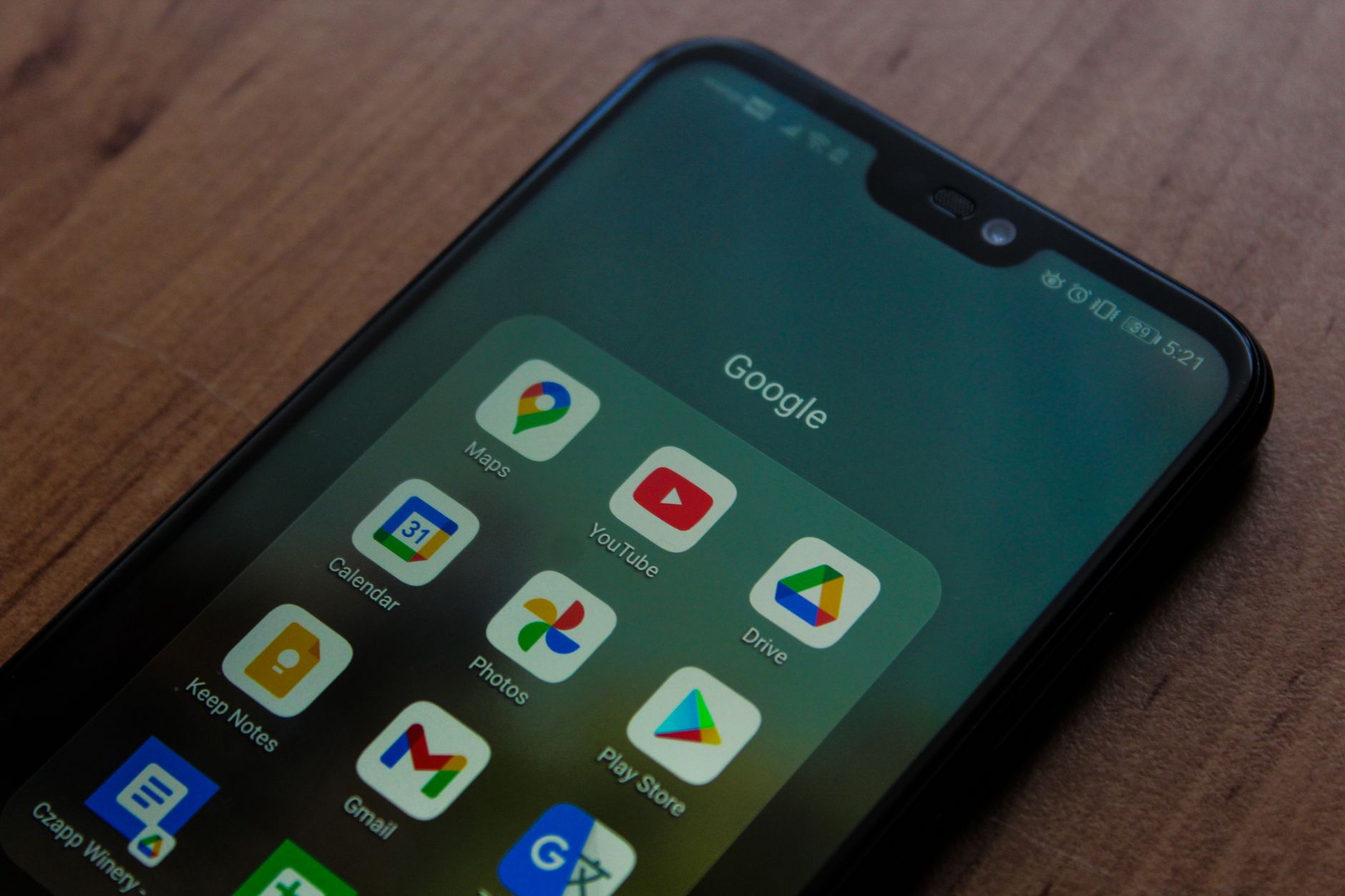
Google Play AI apps have transformed the app distribution landscape, offering innovative features that enhance user experience. With new game recommendations and social functionalities, these apps are set to change how we engage with technology.
Introduction to Google Play AI Apps
The landscape of mobile applications is evolving rapidly, particularly with the introduction of Google Play AI apps. These innovative applications leverage artificial intelligence to enhance user experience and provide personalized features that cater to individual preferences.
As users increasingly seek tailored solutions, AI-driven apps have emerged as a significant trend in the Google Play ecosystem. From gaming to productivity, these apps utilize machine learning algorithms to analyze user behavior, resulting in improved recommendations and functionalities.
One of the standout features of Google Play AI apps is their ability to adapt and learn from user interactions. This means that the more you use an app, the better it becomes at understanding your needs. For instance, AI-powered game recommendations can suggest new titles based on your previous gameplay, while social apps can enhance connections by suggesting relevant content and potential friends.
Moreover, these applications often incorporate advanced natural language processing, enabling more intuitive communication and interaction. As developers continue to innovate, the potential for AI applications on Google Play is vast, promising exciting advancements and enhanced engagement for users across various domains.
Enhanced Game Recommendations
One of the most exciting developments in Google Play AI apps is the introduction of enhanced game recommendations. These improvements are driven by sophisticated algorithms that analyze user behavior, preferences, and gaming trends to provide personalized suggestions. This means players can discover new games tailored to their interests, significantly enhancing their gaming experience.
Some key features of the enhanced game recommendations include:
- Behavioral Analysis: The AI evaluates players’ past gaming activities, including time spent on each game and genres played, to make informed recommendations.
- Social Features: Users can see what their friends are playing, allowing for social interaction and community engagement within the gaming ecosystem.
- Trending Games: The AI highlights popular games based on current trends, ensuring users are always aware of the latest hits.
- Feedback Loop: Continuous learning from user feedback helps refine the suggestions, making them more accurate over time.
This combination of advanced technology and user-centric design makes Google Play AI apps a vital tool for gamers looking to enhance their playtime with personalized content that resonates with their preferences.
Social Features in AI Apps
As Google Play continues to evolve, the integration of social features in AI apps has become a significant highlight. These innovations not only enhance user engagement but also foster community interaction among users. With AI-driven capabilities, users can connect and share experiences in unprecedented ways.
Many Google Play AI apps now include features that allow for:
- Real-time collaboration: Users can work together on projects, share ideas, and provide feedback instantly, regardless of their geographical location.
- Enhanced social sharing: The ability to share achievements or milestones directly through social media platforms encourages a sense of community and friendly competition.
- In-app messaging: Many applications now incorporate messaging systems that facilitate seamless communication between users, whether for gaming, learning, or content creation.
- Personalized content feeds: AI algorithms curate content based on user interactions, making it easier for users to discover relevant posts and connect with like-minded individuals.
These social features are not just enhancements; they are integral to the user experience, making Google Play AI apps more interactive and enjoyable for everyone involved.
Impact on User Experience
The emergence of Google Play AI apps has significantly transformed user experience across various platforms. These applications leverage sophisticated algorithms to provide tailored interactions that not only enhance usability but also foster engagement.
One of the most notable impacts is the personalization of content. Users benefit from apps that adapt to their preferences, making recommendations based on previous usage patterns. This level of customization creates a more intuitive browsing experience, allowing individuals to discover new apps and features that align with their interests.
Moreover, AI-driven apps facilitate smarter notifications. Instead of bombarding users with generic alerts, these applications analyze user behavior to send timely and relevant updates. This ensures that users remain engaged without feeling overwhelmed by unnecessary information.
Additionally, the integration of AI in social features has transformed how users interact within apps. Enhanced communication tools and real-time feedback mechanisms allow for more dynamic user interactions, fostering community building and collaboration.
Overall, the impact of Google Play AI apps on user experience is profound, as they not only meet user needs but also anticipate them, paving the way for a more seamless and enjoyable digital environment.
Future of AI in App Distribution
The future of AI in app distribution on Google Play is poised for significant transformation as developers increasingly leverage advanced algorithms to create personalized experiences. As the landscape evolves, users can expect a more tailored approach to app discovery, with AI-driven insights enhancing the way apps are presented and recommended.
One of the most promising aspects of this shift is the integration of user data and behavior patterns, which will enable Google Play to deliver AI apps that align more closely with individual preferences. This means that rather than a one-size-fits-all approach, users will receive suggestions based on their unique habits and interests.
Additionally, the proliferation of AI in app distribution may lead to innovative features that simplify the user experience. For instance, dynamic updates and real-time feedback mechanisms could become standard, allowing apps to evolve continuously based on user engagement.
Furthermore, with the increasing competition among app developers, leveraging AI tools for distribution will likely become essential. As a result, consumers can anticipate a richer, more diverse selection of applications, all tailored to enhance usability and engagement.
In summary, the future of AI in app distribution on Google Play promises to redefine user interactions, making it an exciting time for both developers and users alike.
Google Play AI apps have revolutionized the way users interact with technology, offering personalized experiences and enhanced functionality. Many of these applications leverage advanced algorithms to provide users with tailored recommendations and improved performance.
Photo by Czapp Árpád on Pexels