
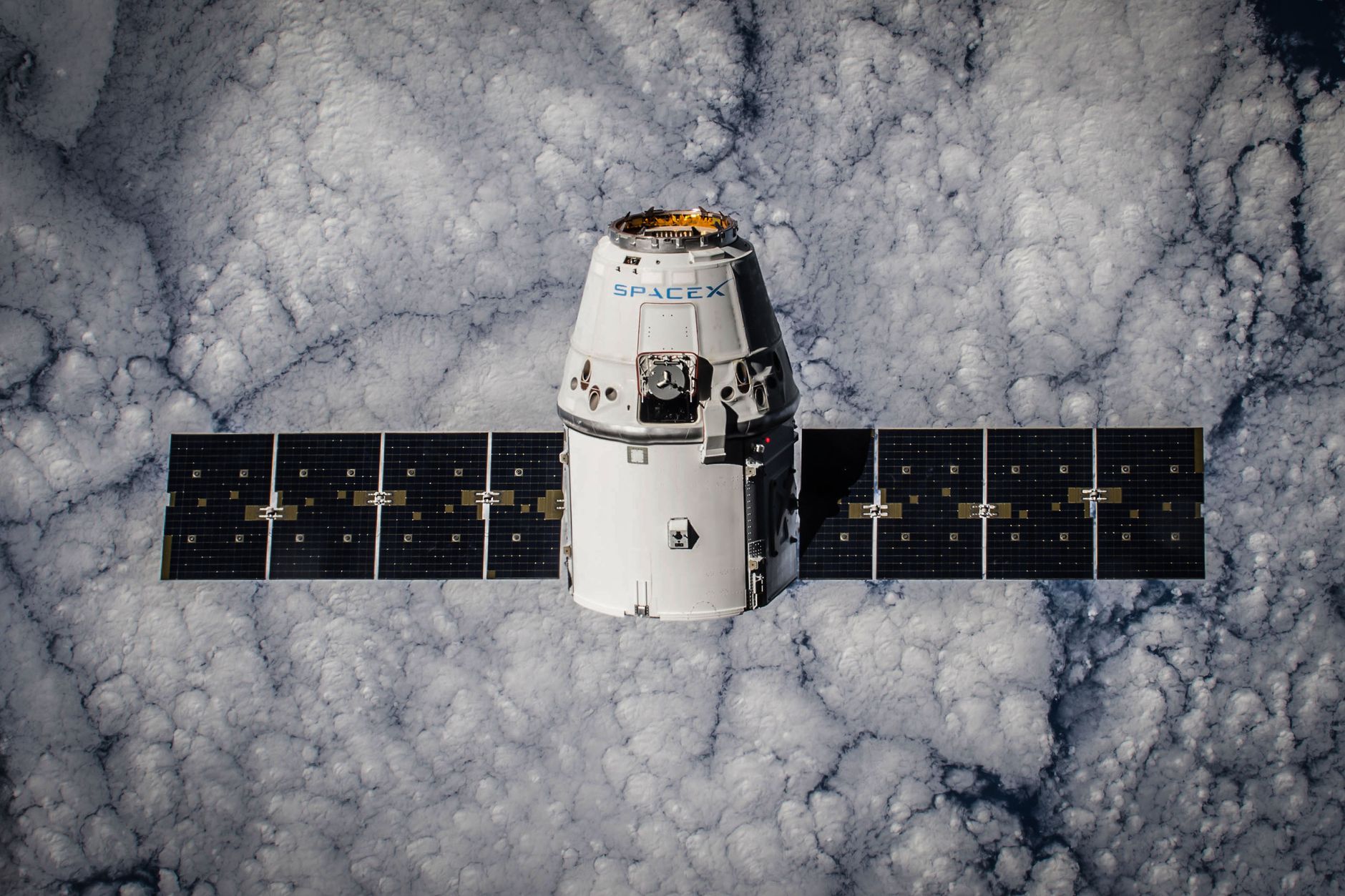
launch satellites for sunlight is an innovative approach being adopted by a startup that has partnered with Skyroot to illuminate Earth during nighttime hours.
What Are the Benefits of Launching Satellites for Sunlight?
The concept of launching satellites for sunlight presents several compelling benefits that could revolutionize how we illuminate our nights. With innovative technologies, these satellites can harness solar energy and redirect it to Earth, providing a sustainable and renewable source of light.
- Environmental Impact: Utilizing satellites to beam sunlight can significantly reduce our reliance on fossil fuels for nighttime illumination, leading to a decrease in carbon emissions and contributing to a healthier planet.
- Energy Efficiency: By launching satellites for sunlight, cities can potentially lower their energy consumption, as these satellites can provide light without the need for traditional electrical infrastructure.
- Global Reach: This technology can be deployed in remote or underserved areas where access to electricity is limited, ensuring that all communities benefit from reliable lighting.
- Safety and Security: Enhanced nighttime visibility can improve safety in urban and rural environments, reducing crime rates and accidents caused by poor lighting conditions.
- Technological Innovation: The development and deployment of such satellites can spur advancements in space technology, creating new opportunities for research and commercial endeavors.
Overall, launching satellites for sunlight could lead to a brighter, more sustainable future for all.
How Skyroot is Revolutionizing Satellite Launches
Skyroot Aerospace is making waves in the space industry with its innovative approach to launching satellites for sunlight. As a startup dedicated to revolutionizing satellite deployment, Skyroot is focusing on efficiency and cost-effectiveness, enabling a new era of satellite launches. This is particularly significant for projects aimed at beaming sunlight to Earth at night, which could have transformative effects on energy consumption and urban lighting.
With a combination of cutting-edge technology and streamlined processes, Skyroot is set to change the landscape of satellite launches. Their launch vehicles are designed to be highly adaptable, allowing for rapid deployment of multiple satellites in a single mission. This flexibility not only reduces costs but also accelerates timelines for projects that are crucial for harnessing solar energy.
Key components of Skyroot’s strategy include:
- Innovative Launch Vehicles: Utilizing advanced materials and designs for improved performance.
- Cost Reduction: Streamlining operations to make satellite launches more affordable.
- Rapid Deployment: Enabling quick launches to meet the increasing demand for satellite technology.
As Skyroot continues to advance its mission, the potential for satellites that provide sunlight at night becomes more tangible, paving the way for a brighter, more sustainable future.
The Technology Behind Nighttime Sunlight Beaming
As the world seeks innovative solutions for sustainable energy, the technology behind launching satellites for sunlight has garnered significant attention. This groundbreaking approach aims to harness solar energy during the day and beam it back to Earth at night, effectively transforming how we illuminate our surroundings.
At the heart of this technology are advanced satellites equipped with photovoltaic cells that capture sunlight. These satellites convert solar energy into microwave or laser beams, which can be directed towards specific locations on Earth. The process involves several key components:
- Satellite Design: Each satellite is engineered to optimize solar energy absorption and minimize energy losses during conversion.
- Energy Transmission: The technology uses safe, high-efficiency methods to transmit energy back to Earth without causing harm to the environment or living beings.
- Ground Reception: Ground-based receivers are designed to convert the transmitted energy back into usable electricity, ensuring efficient delivery for various applications.
By launching satellites for sunlight, we can not only address energy shortages but also provide cleaner alternatives to traditional power sources. This innovative initiative is poised to revolutionize how we think about energy consumption and sustainability in the coming years.
Potential Impact on Renewable Energy
The initiative to launch satellites for sunlight has the potential to revolutionize the renewable energy sector. By harnessing solar energy beamed from space, we could significantly reduce our dependence on fossil fuels and enhance energy accessibility worldwide.
Here are some potential impacts this technology could have on renewable energy:
- Increased Energy Availability: Satellites could provide a continuous supply of energy, overcoming the limitations of solar power that can only be harvested during the day.
- Global Reach: Areas lacking robust infrastructure could benefit from receiving energy directly from space, making power accessible in remote regions.
- Reduced Carbon Footprint: By substituting traditional energy sources with satellite-delivered solar power, we could drastically lower greenhouse gas emissions.
- Cost Efficiency: Over time, the cost of launching satellites and maintaining them may decrease, leading to cheaper energy for consumers and businesses alike.
As the technology continues to develop, stakeholders in the renewable energy industry are eager to explore how launching satellites for sunlight can complement existing energy systems and contribute to a more sustainable future.
Challenges in Satellite Launching
While the concept of launching satellites for sunlight presents exciting possibilities, several challenges must be addressed to ensure successful implementation.
- Technical Complexity: Designing and building satellites capable of capturing and redirecting sunlight efficiently is a significant technical hurdle. The technology must not only function in space but also withstand harsh environmental conditions.
- Cost of Launch: The financial investment required for satellite launches can be substantial. Startups and companies need to secure funding while managing the costs associated with developing and launching these advanced systems.
- Regulatory Hurdles: Navigating the regulatory landscape poses another challenge. Governments and international bodies have stringent guidelines regarding satellite launches and operations, which can delay projects and add complexity to planning.
- Public Perception: Gaining public support is crucial. Concerns about safety, space debris, and the impact on night skies must be addressed to foster acceptance of these initiatives.
- Energy Storage and Distribution: Once sunlight is captured, efficiently storing and distributing this energy for nighttime use remains a logistical challenge that requires innovative solutions.
Addressing these challenges is essential for the successful launch of satellites designed to beam sunlight back to Earth, ultimately shaping a sustainable energy future.
Future of Space Startups
As the demand for innovative energy solutions continues to grow, the future of space startups appears increasingly bright. Companies dedicated to the concept of launching satellites for sunlight are poised to reshape our understanding of energy consumption and distribution. These startups are leveraging cutting-edge technology and collaboration with established aerospace firms to pioneer new methods of harnessing solar energy during nighttime.
Many of these startups are focusing on:
- Sustainable Innovation: By launching satellites to beam sunlight, they aim to provide a renewable energy source that is available even after sunset.
- Cost-Effective Solutions: Advances in satellite technology are making it feasible to launch and maintain these systems at lower costs, attracting investment and interest.
- Global Accessibility: These initiatives promise to deliver energy to remote areas that lack reliable access to electricity, enhancing quality of life.
- Environmental Responsibility: Using space-based solar power reduces reliance on fossil fuels, contributing to a greener planet.
As more startups enter this exciting field, the potential to launch satellites for sunlight could lead to transformative changes in how we power our world, fostering a sustainable future for generations to come.
Conclusion: The Vision for Nighttime Illumination
As the world moves towards more sustainable energy solutions, the concept of launching satellites for sunlight offers a groundbreaking approach to nighttime illumination. With advancements in satellite technology and the increasing need for renewable energy sources, the potential benefits are vast and varied.
By harnessing solar energy through satellites, we can illuminate our nights without relying on traditional power sources, significantly reducing carbon emissions. This innovation not only promises to enhance energy efficiency but also provides a reliable power supply for regions that currently lack consistent electricity access.
Moreover, the collaboration between startups like Skyroot and innovative projects aiming to beam sunlight to Earth demonstrates a growing trend in the space sector. This partnership signifies a shift towards a future where space-based technology plays a critical role in addressing earthly challenges.
In conclusion, the vision of utilizing satellites to launch sunlight is not just about providing light; it represents a transformative step in how we think about energy consumption and environmental responsibility. As we continue to explore these possibilities, the integration of satellite technology into our daily lives could redefine the landscape of energy use and sustainability.
By embracing this innovative strategy, we can pave the way for a brighter, greener future that benefits both humanity and the planet.
To enhance urban lighting while minimizing energy consumption, cities around the world are exploring ways to launch satellites for sunlight. By utilizing advanced technology, we can effectively launch satellites for sunlight and illuminate our nights sustainably.
Photo by SpaceX on Pexels