
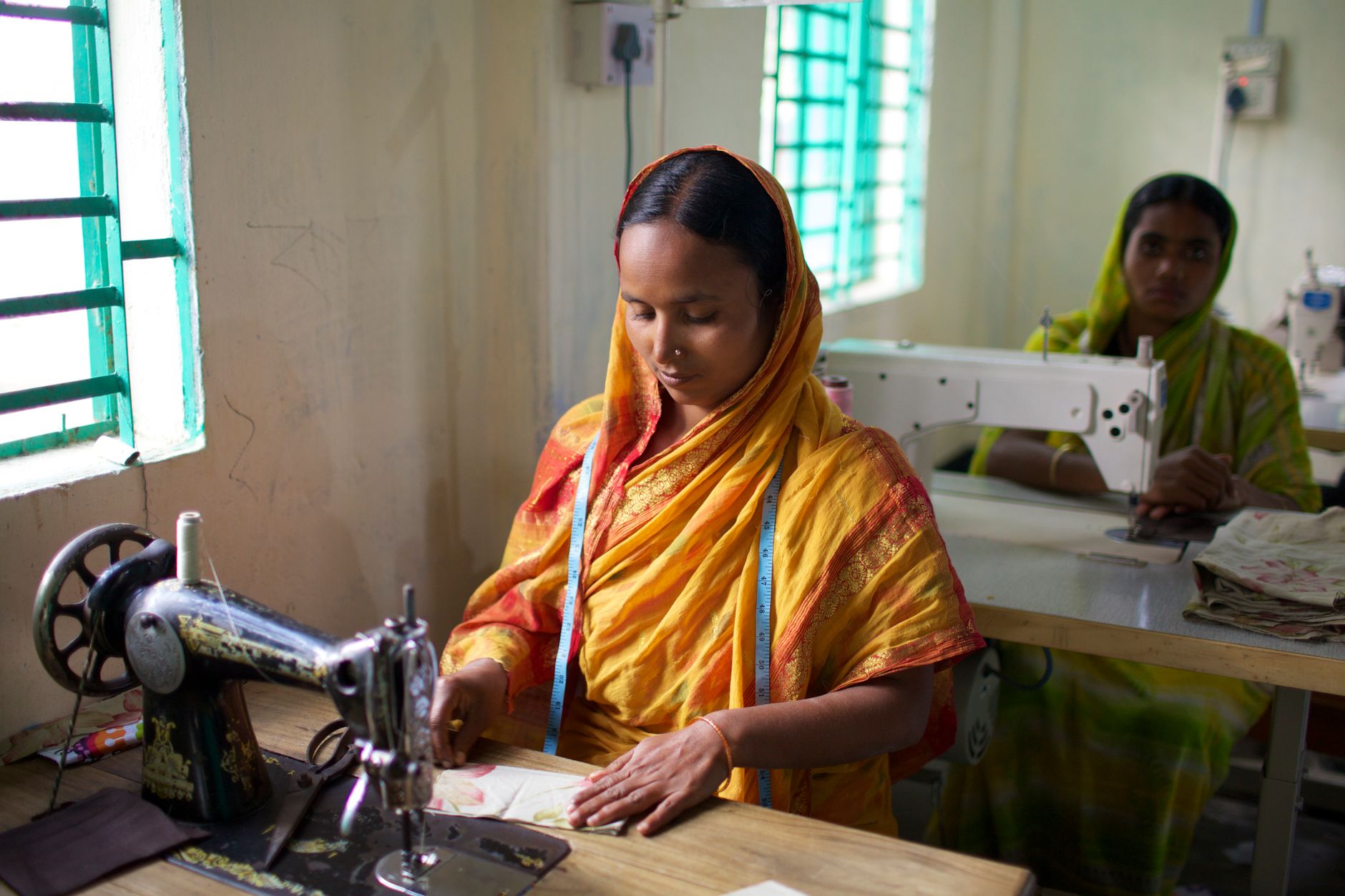
Bangladesh garment policy is in the spotlight as BKMEA urges the government to establish a dedicated panel for effective regulations. This initiative aims to enhance the garment sector’s growth and sustainability.
Overview of BKMEA’s Proposal
The Bangladesh Knitwear Manufacturers and Exporters Association (BKMEA) has put forward a significant proposal aimed at reforming the country’s garment policy. This initiative seeks to address various challenges within the garment sector, which is a vital component of Bangladesh’s economy. The BKMEA is urging the government to establish a specialized panel dedicated to reviewing and updating existing policies that govern the garment industry.
Key objectives outlined in the proposal include:
- Enhancing Competitiveness: The panel would focus on identifying ways to improve the global competitiveness of Bangladeshi garments.
- Sustainability Initiatives: Promoting environmentally friendly practices in manufacturing processes to meet international standards.
- Worker Welfare: Ensuring better working conditions and fair wages for workers in the garment sector.
The BKMEA’s push for the formation of a garment policy panel underscores the need for strategic reforms that will ensure the long-term growth and sustainability of Bangladesh’s garment industry, which remains one of the largest in the world.
Importance of a Garment Policy Panel
The formation of a garment policy panel is crucial for the sustainability and growth of Bangladesh’s garment industry. A well-structured policy can address various challenges that the sector faces today. The proposed panel by BKMEA aims to bring together stakeholders to ensure a collaborative approach in developing effective strategies.
Several key reasons highlight the importance of establishing such a panel:
- Regulatory Framework: A dedicated panel can help streamline regulations, making it easier for manufacturers to comply with local and international standards.
- Global Competitiveness: With a garment policy panel, Bangladesh can enhance its competitive edge in the global market by adopting innovative practices and technologies.
- Sustainability Initiatives: The panel can focus on sustainable practices, promoting eco-friendly production methods that align with global trends.
- Training and Development: It can facilitate skill development programs for workers, ensuring that the workforce is equipped with the latest industry knowledge.
In conclusion, the establishment of a garment policy panel is essential for the future of Bangladesh’s garment policy and industry.
Current Challenges in the Garment Industry
The garment industry in Bangladesh faces several significant challenges that threaten its growth and sustainability. Stakeholders have highlighted the need for a comprehensive Bangladesh garment policy to address these pressing issues. Among the current challenges are:
- Labor Rights Violations: Workers often experience poor working conditions and inadequate wages, leading to increased dissatisfaction and unrest.
- Environmental Impacts: The industry is under scrutiny for its environmental practices, necessitating a shift towards more sustainable manufacturing methods.
- Global Competition: With rising competition from other countries, Bangladeshi manufacturers must innovate to maintain their market share.
- Supply Chain Disruptions: Events like the COVID-19 pandemic have exposed vulnerabilities in supply chains, affecting production and delivery schedules.
- Regulatory Compliance: Adhering to international labor and safety standards remains a critical challenge that requires ongoing attention and resources.
Addressing these challenges through a dedicated policy panel could pave the way for transformative changes in the garment sector.
Government’s Role in Policy Formation
The role of the government in formulating the Bangladesh garment policy is crucial for the industry’s growth and sustainability. The Bangladesh Knitwear Manufacturers and Exporters Association (BKMEA) has urged the government to establish a dedicated garment policy panel to address pressing issues facing the sector. This proposed panel aims to bring together stakeholders from various segments of the industry, including manufacturers, exporters, and labor representatives.
In response to the challenges highlighted by BKMEA, the government is expected to take a proactive stance by:
- Facilitating dialogue between industry leaders and policymakers to ensure that the garment sector’s needs are met.
- Implementing supportive regulations that encourage investment and innovation in the industry.
- Enhancing workforce training programs to equip workers with necessary skills and improve productivity.
By actively engaging in the development of the garment policy, the government can help to create a more resilient and competitive industry that can adapt to global changes.
Impact on Export and Economy
The proposed garment policy panel by BKMEA is expected to significantly impact Bangladesh’s export and economy. As one of the largest garment exporters in the world, Bangladesh relies heavily on this sector for its economic stability and growth. With the right policies in place, the garment industry could enhance its competitiveness in global markets.
Several key factors illustrate the potential benefits:
- Increased Export Growth: A well-structured garment policy could lead to an increase in export volumes, thereby boosting national income.
- Job Creation: As the industry grows, more job opportunities will arise, contributing to lower unemployment rates.
- Investment Attraction: A clear and supportive garment policy can attract foreign investment, fostering innovation and technological advancement.
- Enhanced Compliance: By focusing on sustainability and labor rights, the proposed policy could improve compliance with international standards, enhancing the global reputation of Bangladeshi garments.
Ultimately, the success of this initiative hinges on collaborative efforts between the government and industry stakeholders to form a comprehensive garment policy that addresses current challenges and fosters sustainable growth.
Stakeholder Reactions and Opinions
Reactions from various stakeholders regarding the proposed Bangladesh garment policy panel have been mixed, highlighting both optimism and concern. Key industry players, including manufacturers and labor unions, have expressed their views on the potential impact of such a panel.
- Manufacturers have voiced support for the initiative, believing that a dedicated policy panel could streamline regulations and foster a more competitive environment.
- Labor representatives are cautious, emphasizing the need for worker protections to be integral to any new policies that emerge from the panel’s recommendations.
- Economists have pointed out that while the panel could enhance productivity, it must also address sustainability to ensure long-term growth in the garment sector.
- Government officials have indicated that they are open to dialogue, but they stress the importance of balancing various interests to create a comprehensive garment policy that benefits all parties involved.
Overall, stakeholders are hopeful that a collaborative approach in forming the Bangladesh garment policy can lead to significant improvements in the industry.
Future of Bangladesh’s Garment Sector
The future of Bangladesh’s garment sector hinges significantly on the proposed garment policy panel introduced by the Bangladesh Knitwear Manufacturers and Exporters Association (BKMEA). This initiative aims to address pressing challenges and streamline operations within the industry.
With the global fashion landscape continuously evolving, Bangladesh must adapt to maintain its competitive edge. The garment policy panel is envisaged to bring together key stakeholders, including manufacturers, government officials, and labor representatives, to collaborate on effective strategies that can propel the sector forward.
Among the primary goals of this panel will be to enhance sustainability practices, improve working conditions, and ensure compliance with international labor standards. Moreover, it seeks to foster innovation and technology adoption in production processes, which are crucial for meeting the demands of contemporary consumers.
As the garment industry contributes significantly to the nation’s economy, a well-structured garment policy is vital for securing its future. By embracing this collaborative approach, Bangladesh can further solidify its position as a global leader in garment manufacturing.
Conclusion and Next Steps
In conclusion, the proposal for a dedicated garment policy panel in Bangladesh represents a crucial step towards addressing the multifaceted challenges faced by the garment industry. With the backing of the Bangladesh Knitwear Manufacturers and Exporters Association (BKMEA), this initiative aims to create a more structured and effective framework for policy-making that aligns with the current needs of the sector.
Next steps include:
- Engaging Stakeholders: Ensuring that all relevant stakeholders, including manufacturers, workers, and government officials, have a voice in the discussion.
- Research and Data Collection: Collecting data on industry challenges and opportunities to inform policy decisions.
- Drafting Policy Recommendations: Formulating actionable recommendations based on stakeholder input and research findings.
- Advocacy and Awareness: Raising awareness about the importance of a cohesive garment policy to both the public and policymakers.
Ultimately, the success of the garment policy panel will be pivotal in shaping the future of the Bangladesh garment industry and enhancing its global competitiveness.
The proposed changes to the Bangladesh garment policy aim to enhance sustainability and worker rights. Stakeholders believe that an effective Bangladesh garment policy could set a precedent for other countries in the region.
Photo by Ian Taylor on Pexels